+917409083589, +918859656148
info@makemyhikes.com
slider-img06
previous arrow
next arrow
About Us

Crafting Unforgettable Journeys Across Himachal & Uttarakhand

Makemyhikes is a leading travel company based in Himachal Pradesh and Uttarakhand, specializing in planning trips for the entire region. With over a decade of experience, our team of seasoned tourism professionals provide our clients with exceptional service and unforgettable experiences. At Makemyhikes, we are passionate about travel and sharing real travel information and experiences with our customers. 

Winter Treks

Explore Your Adventure

Uttarakhand

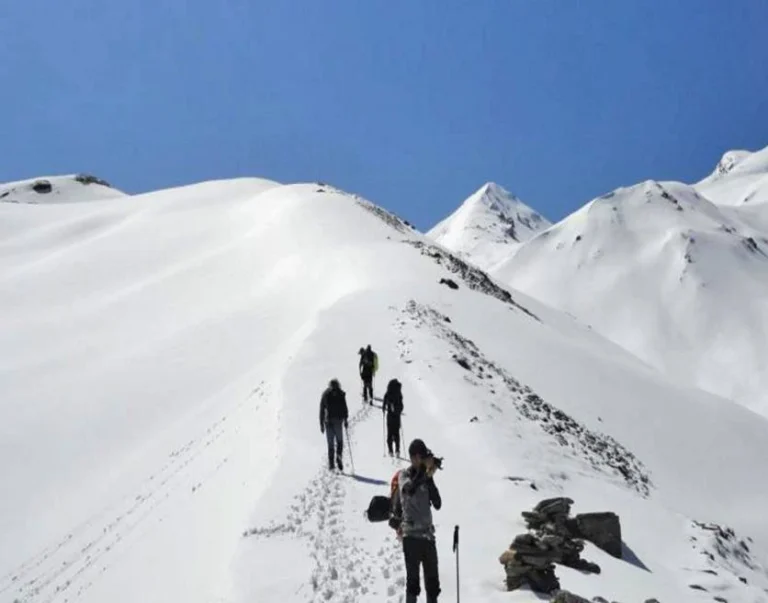
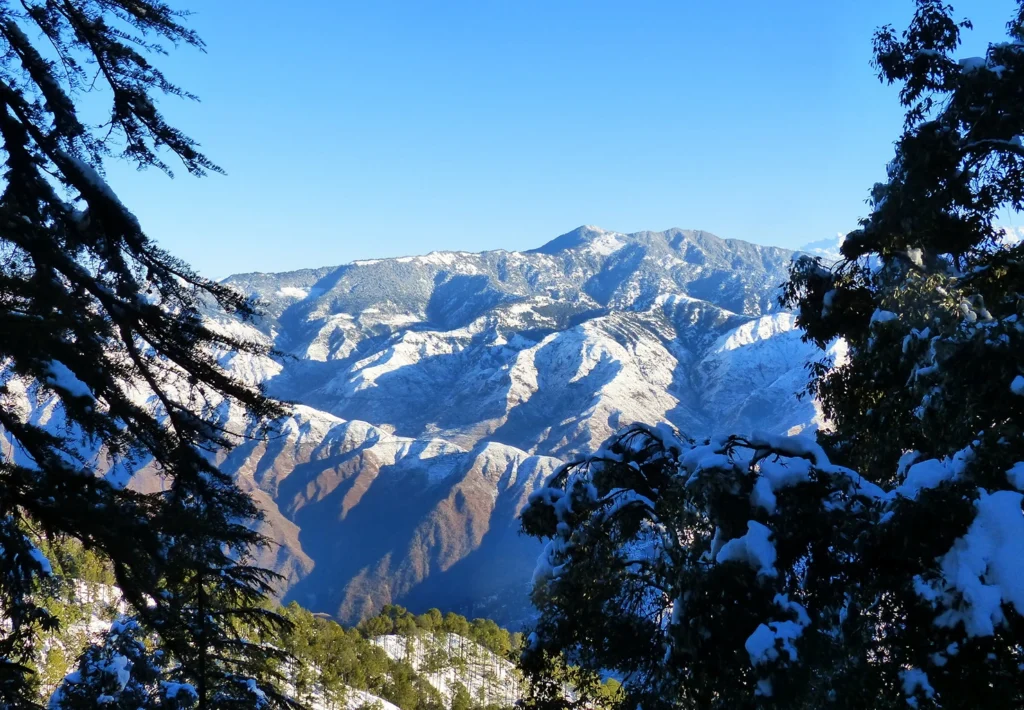
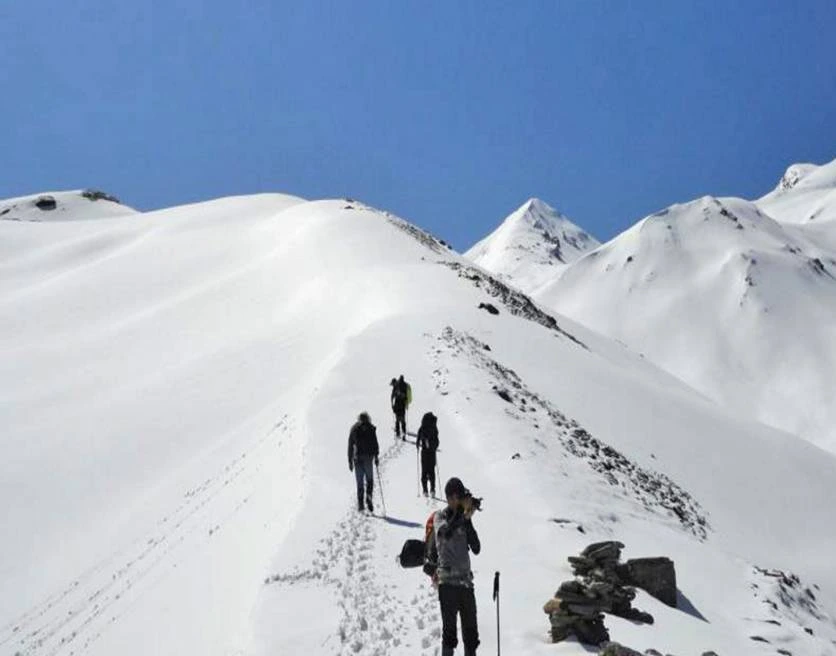
Kedarkantha Trek

  • s-icon01
    Duration 4 Nights/ 5 Days
  • s-icon06
    Best Season December to April
  • s-icon02
    Grade Easy To Moderate
  • s-icon03
    Altitude 12,500 Ft.
  • s-icon04
    Start Point Sankri
  • s-icon05
    Distance 20 KM.

Uttarakhand

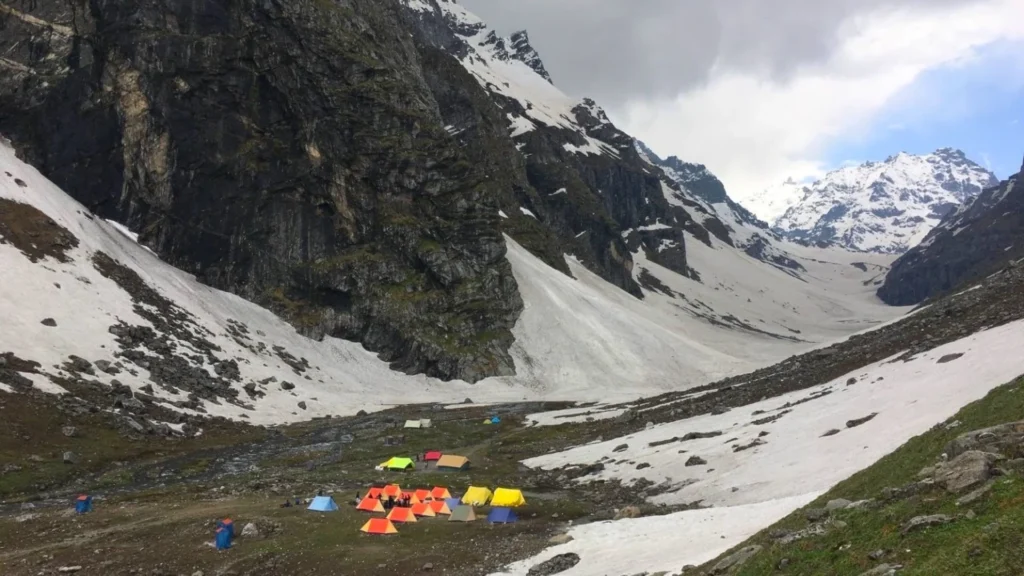
Brahmatal Trek

  • s-icon01
    Duration 6 Nights/ 7 Days
  • s-icon06
    Best Season December to March
  • s-icon02
    Grade Easy To Moderate
  • s-icon03
    Altitude 12,250 Ft.
  • s-icon04
    Start Point Lohajung
  • s-icon05
    Distance 20 KM.

Uttarakhand

Dayara Bugyal

  • s-icon01
    Duration 3 Nights/ 4 Days
  • s-icon06
    Best Season Sept to Dec
  • s-icon02
    Grade Moderate To Difficult
  • s-icon03
    Altitude 11, 830 Ft.
  • s-icon04
    Start Point Dehradun
  • s-icon05
    Distance 9 Km

Uttarakhand

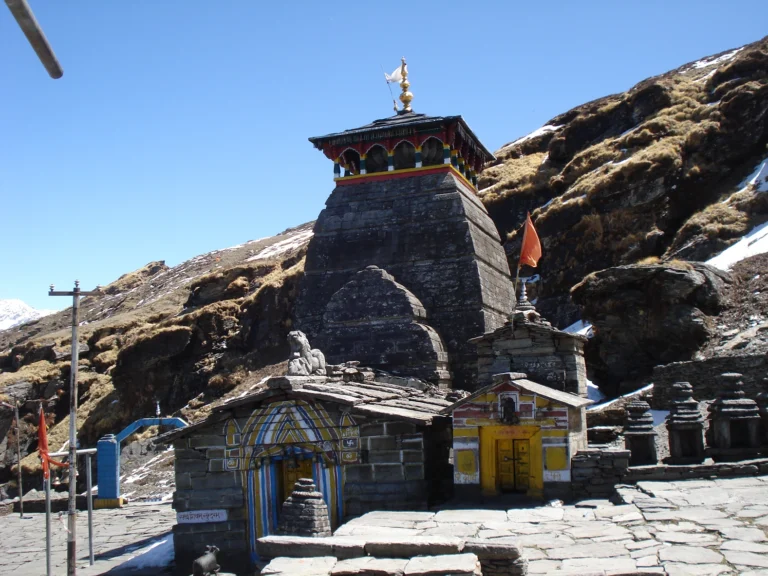
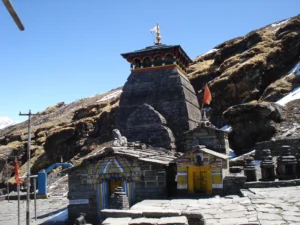
Chopta Tungnath Trek

  • s-icon01
    Duration 4 Nights/ 5 Days
  • s-icon06
    Best Season Oct to Feb / Mar to Jun
  • s-icon02
    Grade Easy To Moderate
  • s-icon03
    Altitude 12,100 Ft.
  • s-icon04
    Start Point Rishikesh
  • s-icon05
    Distance 30 Km

Uttarakhand

Nag Tibba Trek

  • s-icon01
    Duration 2 Nights/ 3 Days
  • s-icon06
    Best Season December to February
  • s-icon02
    Grade Easy To Moderate
  • s-icon03
    Altitude 3,022 M
  • s-icon04
    Start Point Rishikesh
  • s-icon05
    Distance 18 Km

Uttarakhand

Kuari Pass

  • s-icon01
    Duration 6 Nights/7 Days
  • s-icon06
    Best Season December to March
  • s-icon02
    Grade Moderate
  • s-icon03
    Altitude 12,516 ft.
  • s-icon04
    Start Point Rishikesh
  • s-icon05
    Distance 33 Km

Enhance your hiking
skills with our expert
guides

Learn the art of trekking with guidance from our experienced leaders,
making every hike safer and more enjoyable.

Explore All Treks

Choose Your Next Journey

Why Choose Us

Experience the Difference

We deliver quality, reliability, and excellence in every service we provide.

Experienced Team

Our expert trek leaders and local guides bring over a decade of experience, ensuring every adventure in Himachal and Uttarakhand is safe, smooth, and memorable.

Community & Culture

We promote responsible tourism by connecting travelers with local communities and authentic Himalayan traditions, supporting the region’s culture and economy.

Curated Trails

Discover handpicked trekking routes across the Himalayas, from snow-capped peaks to alpine meadows, crafted for an unforgettable and scenic experience.

Safety First

Your safety is our top priority. We follow strict protocols, provide high-quality gear, and maintain expert supervision on every trek.

Health & Well-being

Rejuvenate your body and mind while trekking through pristine landscapes, enjoying the physical benefits and peaceful connection with nature.

Fun & Memories

Every trek is designed for joy, bonding, and adventure, leaving you with laughter, stories, and memories to cherish forever.

Testimonial

Happy Explorers Speak

Our Achievements

Certified for Excellence

Certified Membership

Certified Membership

We are a Certified Member of ATOAI (Adventure Tour Operators Association of India), reflecting our commitment to responsible and sustainable adventure tourism in India.

Quality & Safety

Quality & Safety

Being an ISO 9001:2008 certified company and a proud member of ATOAI, we are recognized for our best safety practices, high-quality standards, and excellent services.

Himalayan Expeditions

Himalayan Expeditions

We specialize in organizing expeditions across more than 100 peaks in the Himalayas, all of which are officially permitted by the Indian Mountaineering Foundation (IMF).
Trekking FAQs

Trekker’s Top Questions

In case you are the only women in the group, we provide a single sleeping arrangement. Also, during the trek, the trek leader will always remain by your side to provide optimum safety and reassurance.

Yes, our pickup locations are fixed and you will be informed about the same prior to the trek.

We provide wholesome and nutritious meals during the trek. The food is vegetarian and includes a variety of dishes such as rice, dal, vegetables, chapati, paratha, pasta, noodles, and soup. We also offer snacks such as biscuits, and salty, and dry fruits during the trek. Special dietary requirements such as vegan, gluten-free, or Jain food can also be arranged if informed in advance.

Before you start the trek, it is recommended that you make all the necessary phone calls as during the trek you may or may not receive network coverage. Once you come back to the Base Camp, you can reconnect with your family via phone once again.

A family trek is different from a regular trek in several ways.

A family trek is different from a regular trek in several ways. Here are some of the differences:

Difficulty level: Family treks are generally designed to be easier and more family-friendly, with a lower difficulty level than regular treks. The focus is on enjoying the outdoors and spending time with family, rather than on challenging oneself physically.

Pace: Family treks are generally slower-paced than regular treks, with more frequent breaks to rest, snack, and take in the scenery.

Safety: Family treks prioritize safety, with extra attention paid to the safety of children and elderly members of the group. The trek routes are also chosen carefully to avoid any risks.

Group size: Family treks usually have smaller group sizes than regular treks, with a focus on providing a more personalized experience for each family.

Choosing the right trek for a beginner can be a bit overwhelming as there are many factors to consider such as distance, elevation gain, terrain difficulty, weather, and time of year. Here are some tips that can help you choose the right trek for a beginner:

1. Determine fitness level: Assess the fitness level of the beginner to understand their physical capabilities. This will help you select a trek that is challenging but not too difficult.

2. Choose a well-traveled trail: A well-traveled trail will have more amenities such as signposts, water stations, and shelter. It is also safer as there will be other hikers on the trail.

3. Consider the length of the trek: For beginners, it is recommended to start with a shorter trek that can be completed in a day or two. This will help them get acclimatized to trekking and build their confidence.

4. Look for gradual elevation gain: Choose a trek with a gradual elevation gain rather than steep ascents. This will make the trek easier and more enjoyable.

5. Check the weather: Check the weather forecast before selecting a trek. Avoid treks during the monsoon season or winter when the trails can be slippery or dangerous.

6. Research the trail: Read about the trail to get an idea of the terrain, altitude, and difficulty level. This will help you select a trek that is suitable for the beginner.

7. Consult with an expert: If you are unsure about which trek to choose, consult our trek expert Mr. Nitin (+91 70600 59773) between 10 AM to 6 PM (Tuesday – Friday). Mr. Nitin will provide you valuable advice and guidance.

Overall, it is important to choose a trek that is enjoyable, challenging but not too difficult, and suitable for the beginner’s fitness level and experience.

As a leading trekking organization, we highly focus on safety and responsible trekking practices. We have a comprehensive safety system in place, which includes rescue and safety equipment like:

1. First aid kits: TTH has well-stocked first aid kits on all their treks. The kits include essential medicines, bandages, antiseptic creams, and other medical supplies.

2. Oxygen cylinders: Oxygen cylinders are carried on high altitude treks in case of emergency situations such as altitude sickness.

3. Stretchers: In case of injury or emergency, TTH carries foldable stretchers to carry injured trekkers to safety.

4. Rescue ropes and harnesses: TTH has rescue ropes and harnesses on all their treks to help trekkers cross difficult sections and for emergency situations.

5. Satellite phones: TTH provides satellite phones to their trek leaders for emergency communication in case of no network connectivity.

6. GPS devices: TTH uses GPS devices to track the location of their trekkers and to navigate through difficult terrain.

TTH also has trained and experienced trek leaders and support staff who are equipped to handle emergency situations and provide first aid. They conduct regular safety drills and training sessions for their staff to ensure that they are prepared for any eventuality.

MMK provides Tata Sumo, Traveller or similar kinds of vehicles for transportation.

MMH provides designated pickup points for each trek. You have to reach the pickup point to board the transport.


A woman trekker will share a tent with another woman trekker and if you are the only woman in the group, you will be given a single accommodation for your comfort and privacy.

MMH is a trekking company that prioritizes the safety of all its participants, including women trekkers. They have a comprehensive safety system in place, which includes a dedicated team of experienced and trained trek leaders and support staff who are equipped to handle emergency situations and provide first aid.

MMH also takes specific measures to ensure the safety and comfort of women trekkers. They have a separate tent accommodation for women trekkers, female trek leaders, and support staff. They also provide separate toilet facilities for women and encourage a safe and respectful environment for all trekkers.

Moreover, MMH has a strict policy against any kind of harassment and has a zero-tolerance policy towards such incidents. They have a designated Internal Complaints Committee (ICC) to investigate and address any complaints related to harassment or misconduct. Overall, MMH has a good reputation for safety and responsible trekking practices, and women can feel comfortable and safe while trekking with them.

In case you are the only women in the group, we provide a single sleeping arrangement. Also, during the trek, the trek leader will always remain by your side to provide optimum safety and reassurance.

Yes, MMK offers transportation from base camp to base camp on all treks.

Yes, fitness is important for a trek, especially if you are planning to undertake a challenging trek in the Himalayas or other mountainous regions. Trekking involves walking for extended periods of time over uneven terrain, and often involves ascending and descending steep slopes at high altitudes. This requires a certain level of physical fitness to ensure that you can complete the trek safely and enjoyably.

Here are some reasons why fitness is necessary for a trek:

1. Endurance: Trekking can be a physically demanding activity that requires endurance. You may be walking for several hours a day over multiple days, so it is important to have a good level of cardiovascular fitness to ensure that you can keep up with the pace of the trek.

2. Strength: Trekking also requires strength, especially in the lower body, as you may be climbing steep slopes and descending rocky trails. You may also need to carry a backpack with your gear and supplies, so it is important to have strong leg muscles to support the weight.

3. Altitude: Many treks in the Himalayas and other mountainous regions involve trekking at high altitudes, which can cause altitude sickness. Being physically fit can help to reduce the risk of altitude sickness, as your body is better able to adapt to the thin air at higher elevations.

4. Enjoyment: Being physically fit can also help you to enjoy the trek more, as you will be able to keep up with the group and take in the beautiful scenery without feeling overly fatigued.

It is important to note that fitness levels vary from person to person, and what may be considered a challenging trek for one person may be moderate for another. It is always a good idea to consult with a doctor before embarking on a trek, especially if you have any underlying health conditions that may affect your fitness level. Additionally, it is recommended to start with less strenuous treks and gradually build up to more challenging ones to ensure that your fitness level is adequate for the trek.

TTH offers a variety of accommodation options during their treks, depending on the route, duration, etc.

1. Tents: During the trek, TTH provide high-quality, weather-proof tents that are spacious and comfortable for a good night’s sleep. Tents are usually shared between two trekkers and come with sleeping bags and sleeping mats.

2. Guesthouses or lodges: On some routes, TTH use guesthouses or lodges instead of tents. These are basic, yet comfortable accommodations with simple amenities like beds, blankets, and hot water for bathing.

3. Homestays: In some regions, TTH arranges homestays, where trekkers stay with local families and experience the local culture and lifestyle. Homestays usually offer basic facilities but are clean and comfortable.

4. Tea houses: On certain treks, particularly in Nepal, TTH uses tea houses for accommodation. Tea houses are basic lodges located along the trekking route, offering basic facilities like beds, blankets, and shared washrooms.

It’s important to note that the availability of these accommodation options may vary depending on the trek and the season. It’s best to check with Trek The Himalayas directly for more information about their accommodation options for a specific trek.

At MMH, we provide wholesome and nutritious meals during the trek. The food is vegetarian and includes a variety of dishes such as rice, dal, vegetables, chapati, paratha, pasta, noodles, and soup. We also offer snacks such as biscuits, and salty, and dry fruits during the trek. Special dietary requirements such as vegan, gluten-free, or Jain food can also be arranged if informed in advance.

No, MMH does not serve non-veg food during the trek. There are a number of reason we don’t do so for multiple reasons.

1. Health Risks:

Non-vegetarian food, especially meat, is prone to spoilage and can cause food poisoning if not cooked and stored correctly. Trekking in remote areas often means limited access to clean water, refrigeration, and proper cooking facilities, which increases the risk of food poisoning.

2. Environmental Impact:

The preparation and consumption of meat require a lot of resources such as land, water, and energy. Choosing vegetarian food options while trekking can help reduce your carbon footprint and minimize your impact on the environment.

3. Less Feasible:

Vegetarian food is lightweight, easy to cook, and requires minimal cooking facilities. Non-vegetarian food, on the other hand, requires more preparation and storage facilities, which may not be available while trekking.

4. Cultural Sensitivity:

Trekking often takes you through areas where different cultures and religions coexist. Some cultures may consider eating non-vegetarian food disrespectful, and consuming it may offend the locals. By avoiding non-vegetarian food, you can show respect for local traditions and cultures and avoid causing any offence.

Yes, we do provide tea/coffee and snacks on our treks.

Yes, a majority of our treks have a cloakroom facility.

Call Now Button