Panch Kedar Trek
A sacred Himalayan journey covering the five revered Shiva temples of Uttarakhand — Kedarnath, Madhmaheshwar, Tungnath, Rudranath, and Kalpeshwar.
Overview & About
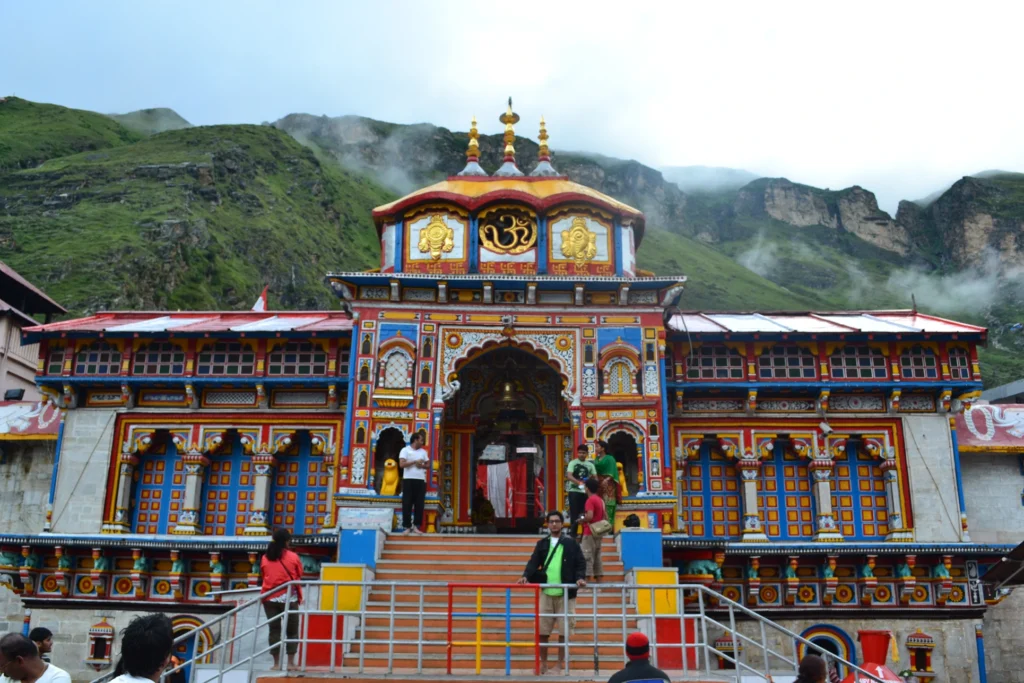
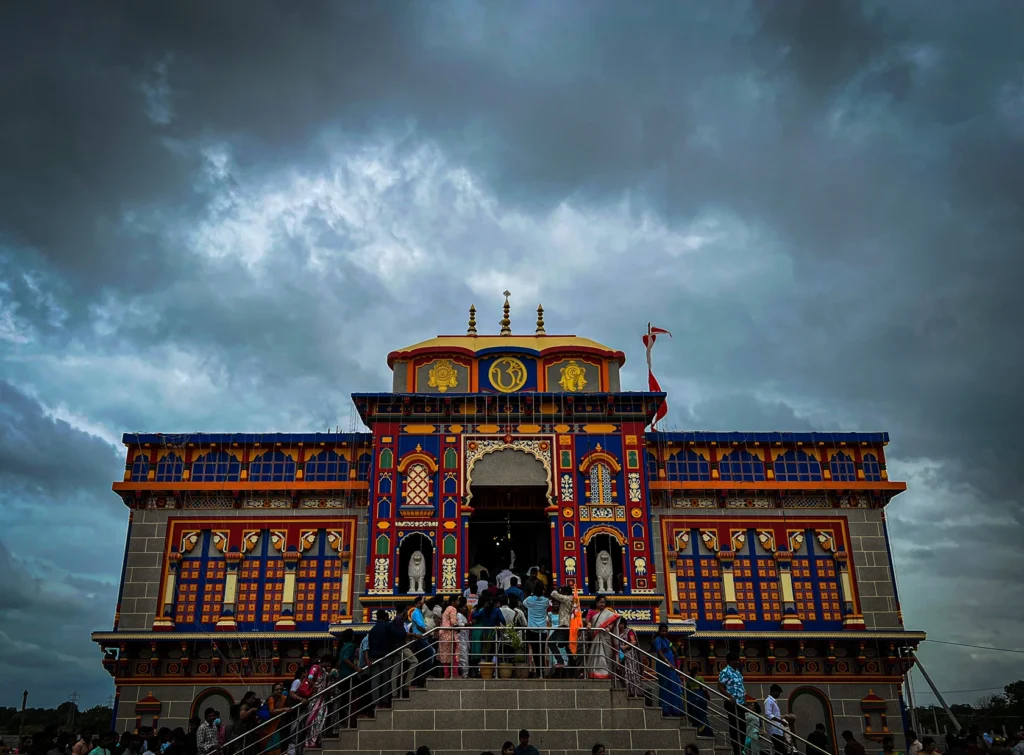
The Panch Kedar Trek is a remarkable spiritual and adventurous journey that takes you through the breathtaking landscapes of Uttarakhand. This trek covers the five sacred temples of Lord Shiva, known as the Panch Kedar. The temples are spread across the Garhwal Himalayas and are believed to be places where Lord Shiva appeared in different forms to the Pandavas, as mentioned in the Mahabharata. These temples are Kedarnath, Madmaheshwar, Tungnath, Rudranath, and Kalpeshwar. Each temple has its own religious significance and is considered one of the holiest shrines in India.
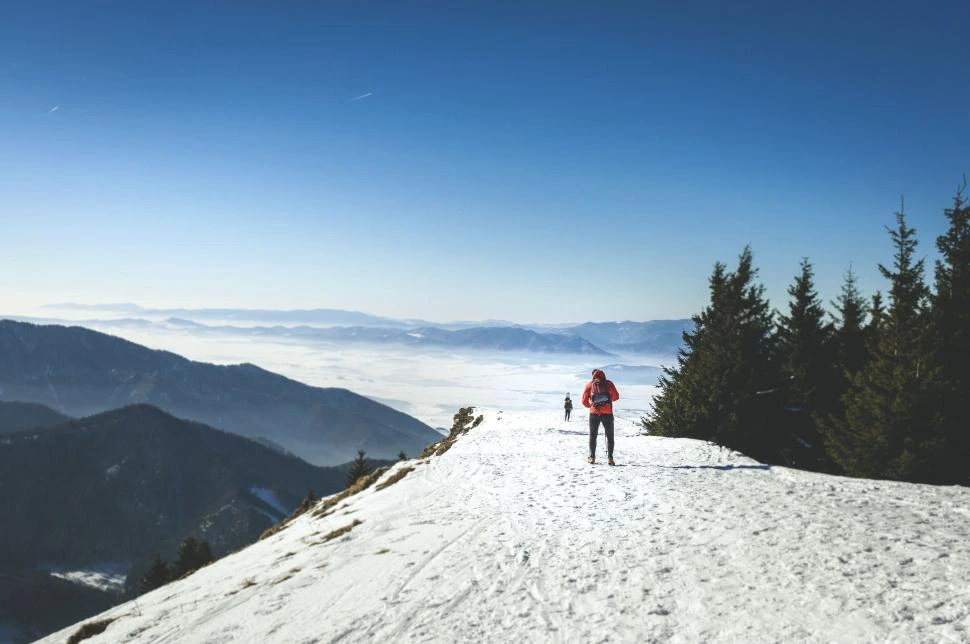
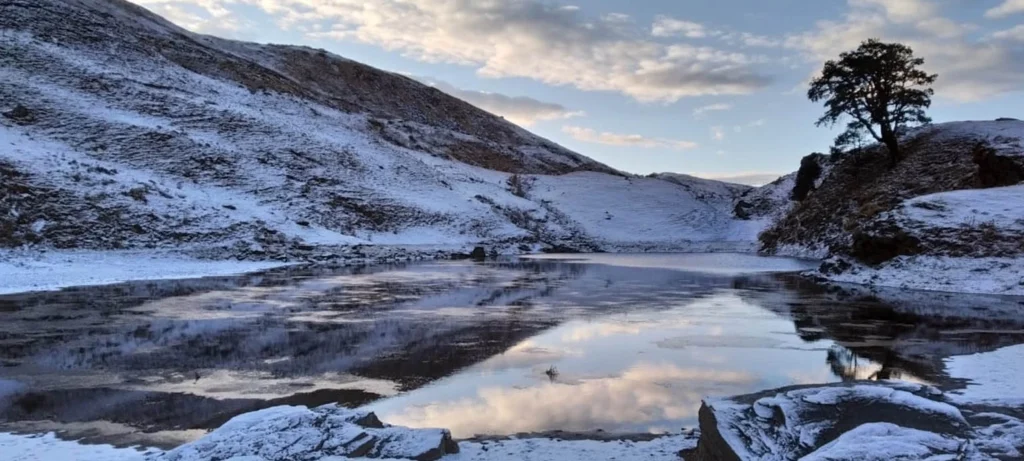
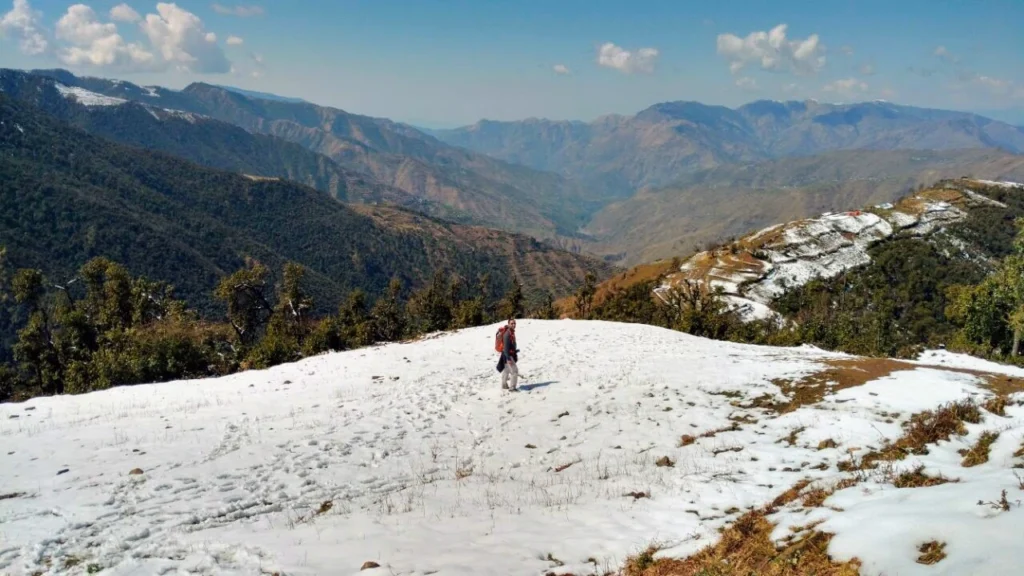
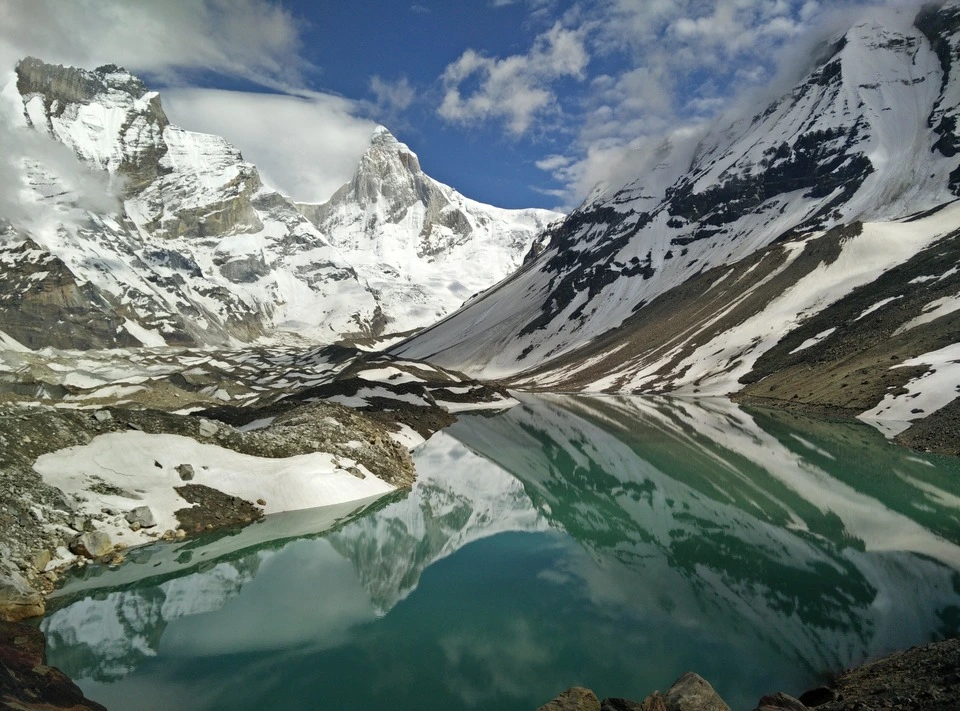
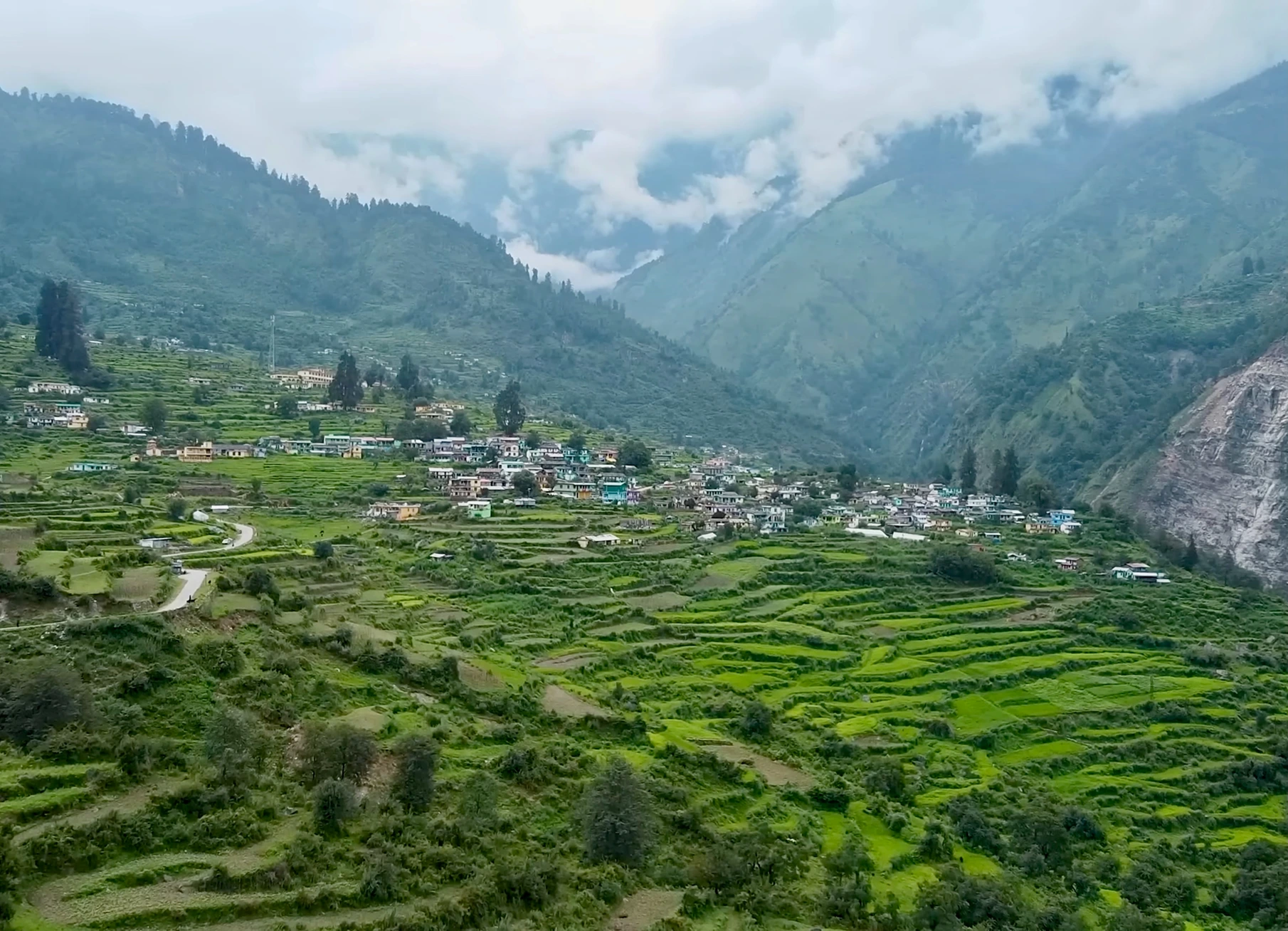
The Panch Kedar Trek offers trekkers a unique combination of spirituality, nature, and adventure. The trek involves walking through high-altitude terrains, lush meadows, dense forests, and picturesque villages. As you pass through these majestic landscapes, you get to experience the tranquillity of nature and the sacredness of the places that are deeply connected to Hindu mythology. The route is challenging yet rewarding, with views of snow-capped peaks and pristine rivers.
Throughout the journey, you’ll also have the opportunity to immerse yourself in the local culture and customs of the Garhwali people. Make My Hikes offers an unforgettable experience as you trek through the breathtaking landscapes of the Panch Kedar.
Highlights
- Visit Five Sacred Temples: Visit the Panch Kedar temples: Kedarnath, Madmaheshwar, Tungnath, Rudranath, and Kalpeshwar. Each of these temples is a divine place dedicated to Lord Shiva.
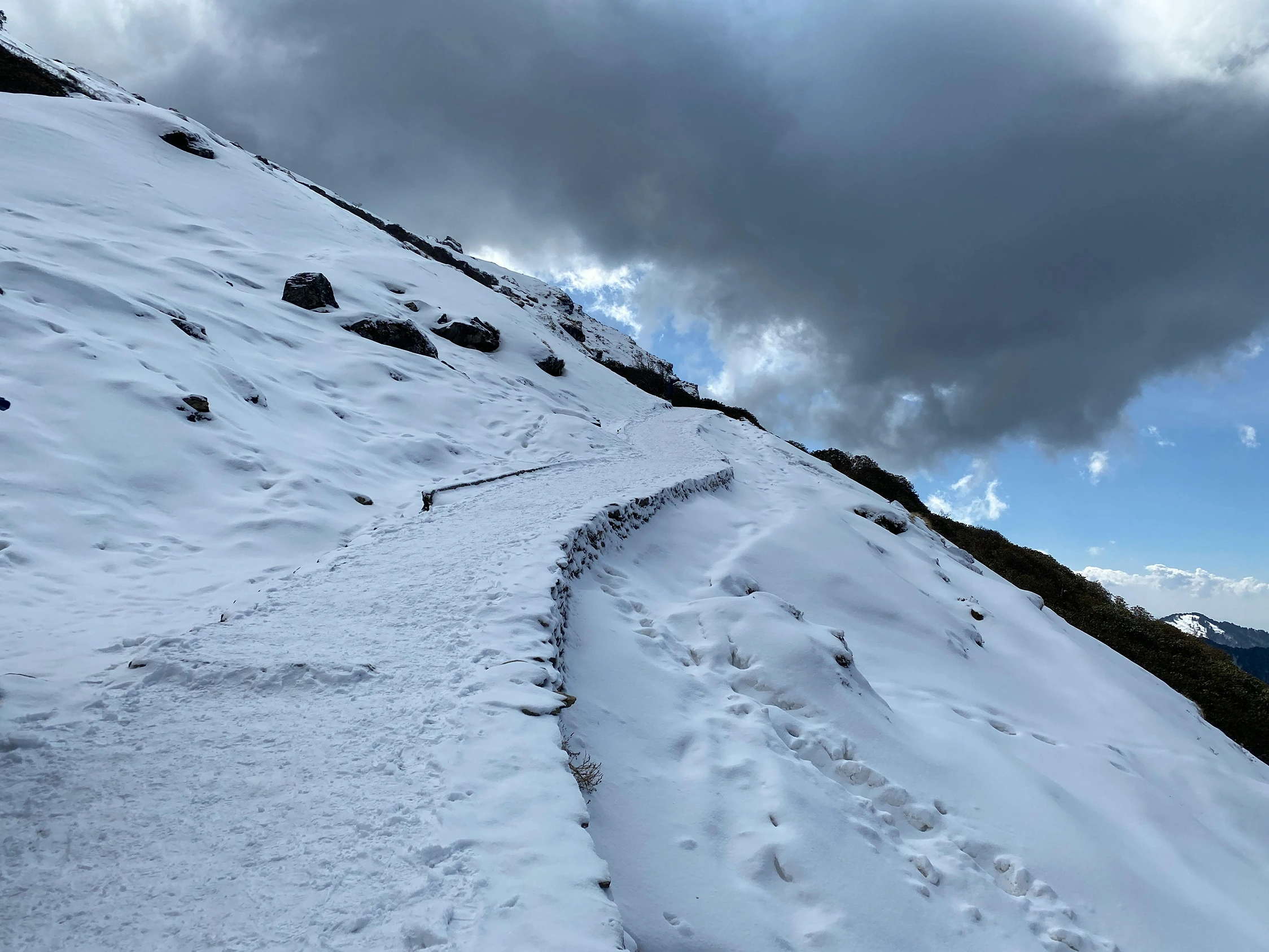
- Challenging Terrain: The trek takes you through steep paths, rocky trails, and alpine meadows, offering an adventure for avid trekkers.
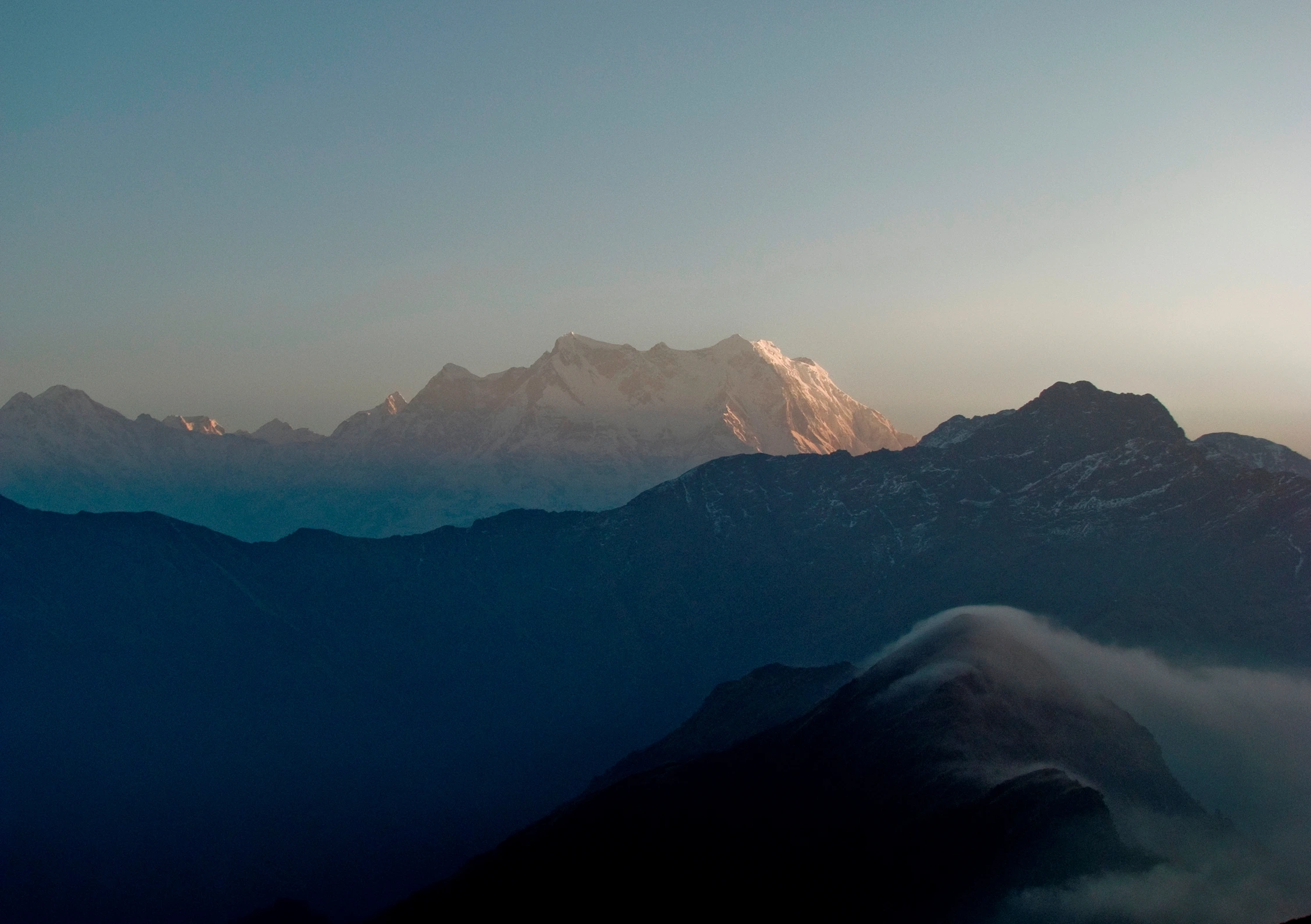
- Majestic Himalayan Views: Enjoy spectacular views of Nanda Devi, Trishul Peak, and Chaukhamba Peak throughout the journey.
- Scenic Villages: Walk through picturesque villages like Chopta, Helang, and Panar, where you can get a glimpse of the local culture.
- Rivers and Waterfalls: The journey includes passing by pristine rivers like the Mandakini River and Rudraprayag, along with picturesque waterfalls.
- Breathtaking Meadows: The trek will take you through lush alpine meadows with vibrant wildflowers and panoramic mountain views.
- Spiritual Significance: Experience the spiritual essence of the region and take part in the traditional rituals at the temples.
Best Time to Visit
The best time to embark on the Panch Kedar Trek is from May to June and September to October. During these months, the weather is favorable for trekking with moderate temperatures and clear skies. The monsoon season (July-August) is not ideal due to heavy rainfall, which can cause slippery paths and landslides. The winter months (November-March) are extremely cold and the high altitudes can be challenging due to snow and harsh conditions.
Difficulty Level
The Panch Kedar Trek is considered moderate in difficulty. While the trek is challenging, it is not overly strenuous, making it suitable for both experienced trekkers and those with a reasonable fitness level. The trek involves long walks through steep and rocky paths, making it physically demanding at times, especially on higher altitudes. Trekkers must be prepared for altitude sickness and should ensure proper acclimatization during the trek.
The highest altitude in the trek is at Kedarnath, which stands at 3,583 m. While the trek is manageable for most people, it’s important to ensure you’re in good physical condition and prepared for the demands of the trek.
Travel Tips
- Physical Fitness: Before embarking on the Panch Kedar Trek, it is recommended to build up your stamina through regular physical activity like walking or hiking.
- Altitude Sickness: The high altitude of some temples can lead to altitude sickness. Acclimatization is important, and staying hydrated and taking rest is crucial.
- Weather Preparedness: Be prepared for fluctuating temperatures. The weather in the mountains can change rapidly, so always carry extra layers.
- Trekking Guide: It is highly advisable to trek with a guide or as part of an organized group to ensure safety and to make the experience more enriching. Make My Hikes provides professional guides who ensure a smooth and safe journey.
- Respect Local Culture: Be respectful of local customs, especially when visiting religious sites.
- Pack Light: While it’s important to carry necessary items, avoid overpacking. Travel light to ensure comfort during the trek.
- Trekking Poles: Carry trekking poles to assist in balancing while walking on the steep and uneven trails.
- Stay Hydrated: Carry a water bottle and keep drinking water throughout the trek.
Duration
9 Nights / 10 Days
Max Altitude
3,680 m approx.
Base Cam
Guptkashi
Group Size
Max 16
Best Season
May–June, Sep–Oct
Trek Highlights
Visit all five Panch Kedar temples
Seek blessings at Kedarnath, one of the 12 Jyotirlingas
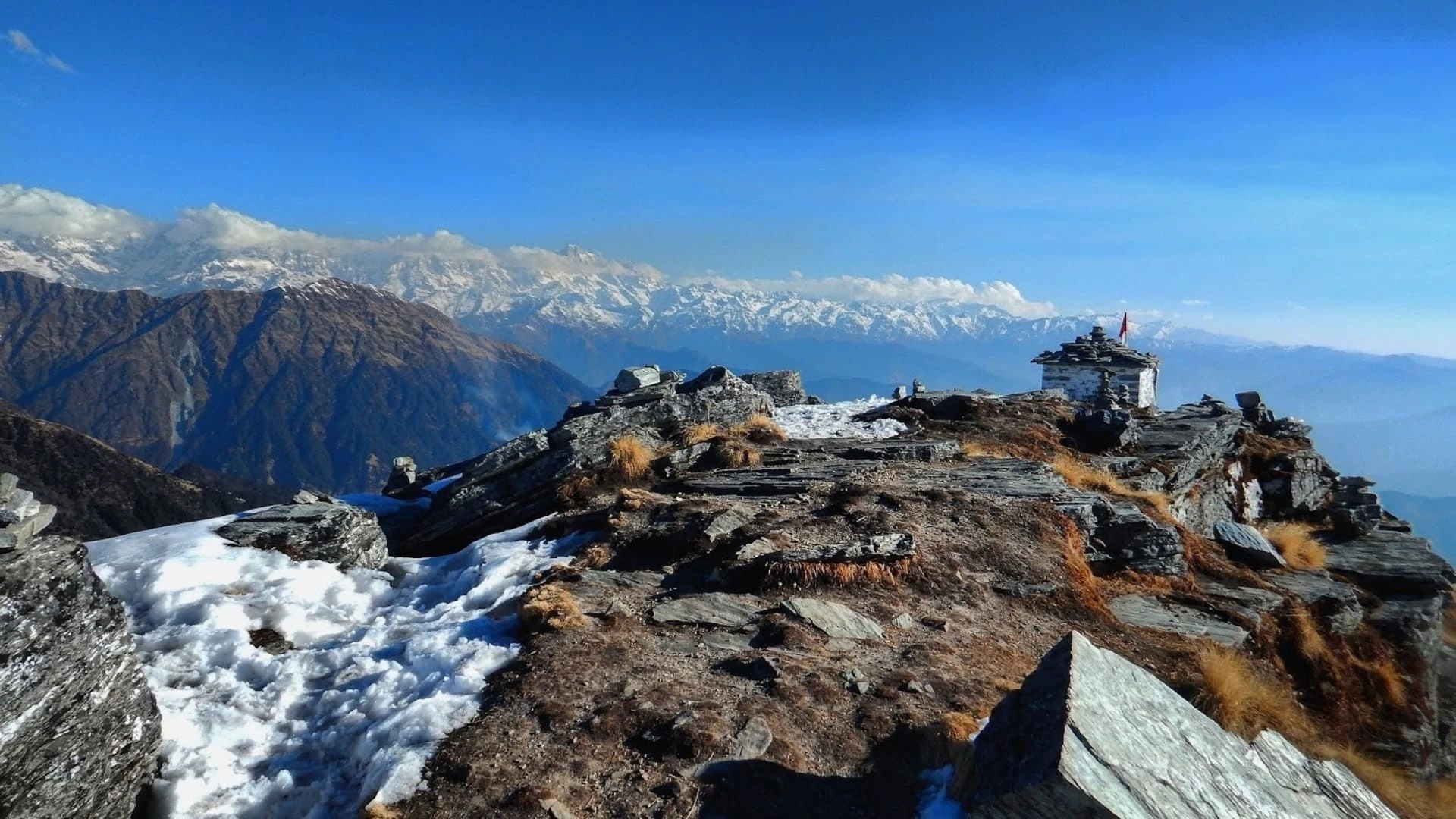
Trek to Tungnath, the highest Shiva temple in the world
Explore remote Himalayan routes to Rudranath and Madhmaheshwar
Visit Kalpeshwar, the only Panch Kedar temple open throughout the year
Experience Garhwali culture, ancient villages, and sacred mountain trails
Enjoy views of Chaukhamba, Nanda Devi, Trishul, and surrounding peaks
Detailed Itinerary
Begin your journey from Haridwar and drive through scenic Himalayan roads toward the Kedarnath region.
- Drive via Rishikesh and Devprayag
- Witness river confluences and mountain valleys
- Reach Guptkashi / Rudraprayag by evening
- Check-in and rest
- Overnight stay
Start early and transfer to Gaurikund, the base point for Kedarnath trek.
- Begin trek from Gaurikund
- Walk along the Mandakini River route
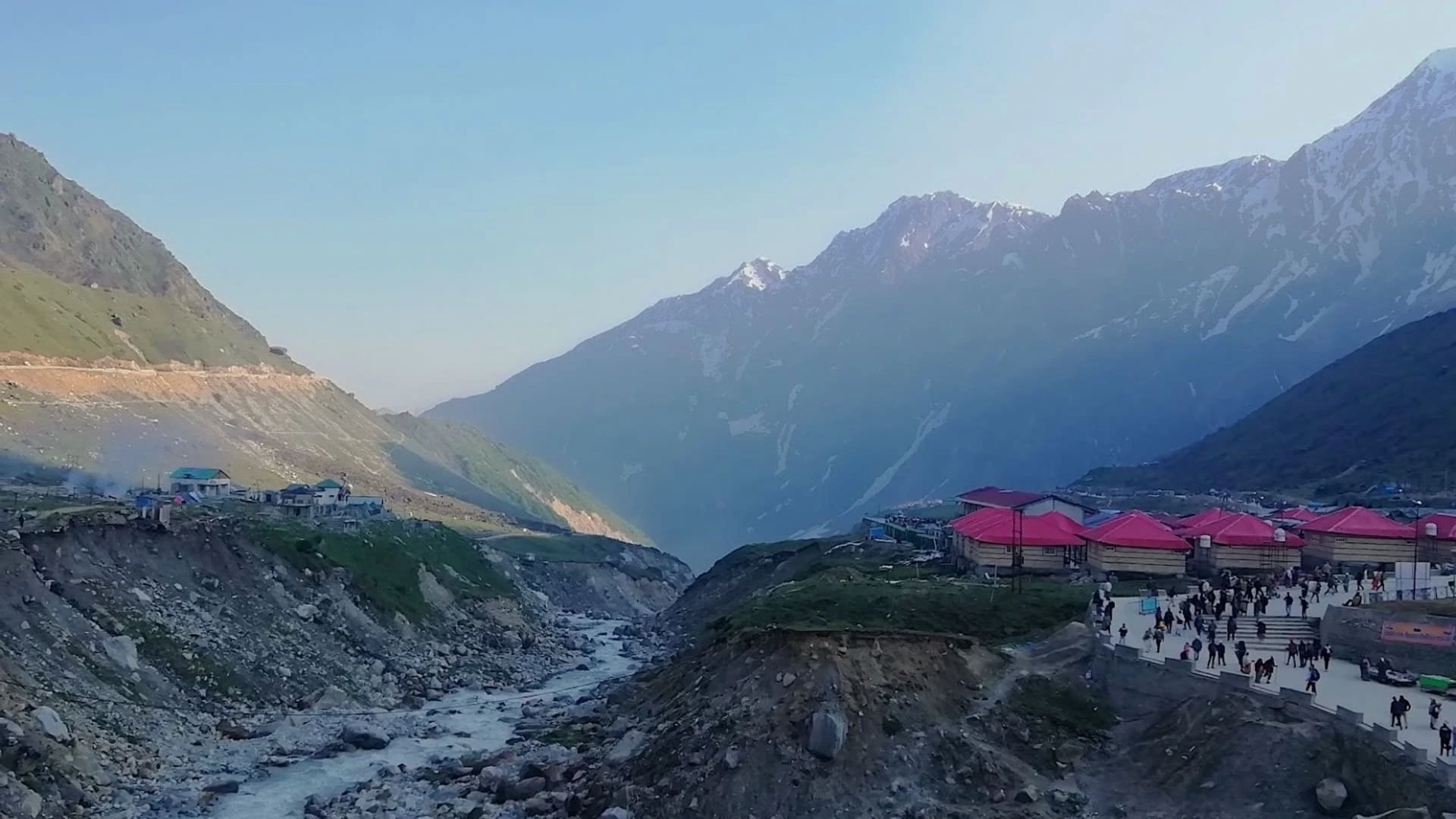
- Reach Kedarnath Temple
- Evening darshan if time permits
- Overnight stay near Kedarnath
Attend morning darshan and descend back toward Gaurikund.
- Early morning Kedarnath darshan
- Trek down to Gaurikund
- Drive back to Guptkashi
- Rest after the trek
- Overnight stay
Drive toward Ransi village and begin the trek to Madhmaheshwar, the second Kedar.
- Drive to Ransi base village
- Trek through forest and village trails
- Reach Madhmaheshwar Temple
- Attend darshan
- Overnight stay
Descend back to Ransi and continue toward Chopta, the base for Tungnath.
- Morning temple visit
- Trek back to Ransi
- Drive to Chopta
- Enjoy peaceful mountain views
- Overnight stay
Trek to Tungnath, the highest Shiva temple, with optional continuation to Chandrashila.
- Trek to Tungnath Temple
- Take darshan at the third Kedar
- Optional hike to Chandrashila summit
- Return to Chopta
- Overnight stay
Begin the route toward Rudranath, one of the most remote Panch Kedar temples.
- Drive to Sagar village
- Start trek through forest and meadow trails
- Continue toward Panar / route camp
- Rest and acclimatize
- Overnight stay
Visit Rudranath Temple, known for its remote location and powerful spiritual atmosphere.
- Trek through alpine meadows and ridges
- Reach Rudranath Temple
- Take darshan at the fourth Kedar
- Enjoy Himalayan views
- Return to camp for overnight stay
Descend and proceed toward Kalpeshwar, the fifth Kedar.
- Complete return trek from Rudranath route
- Drive toward Urgam Valley
- Visit Kalpeshwar Temple
- Take darshan at the fifth Kedar
- Overnight stay
Drive back to Haridwar, completing the Panch Kedar journey.
- Breakfast and departure
- Scenic drive through Joshimath and Rudraprayag route
- Reach Haridwar by evening
- Yatra concludes
Inclusions & Exclusions
What's Included
- Accommodation on twin-sharing basis
- Trek leader, guide, and support staff
- Required permits and entry fees
- Basic first aid and medical support
- Transportation as per itinerary
What's Excluded
- Insurance
- Pony / palki / porter charges
- Personal trekking gear
- Personal expenses
- Anything not mentioned in inclusions
Gear on Rent
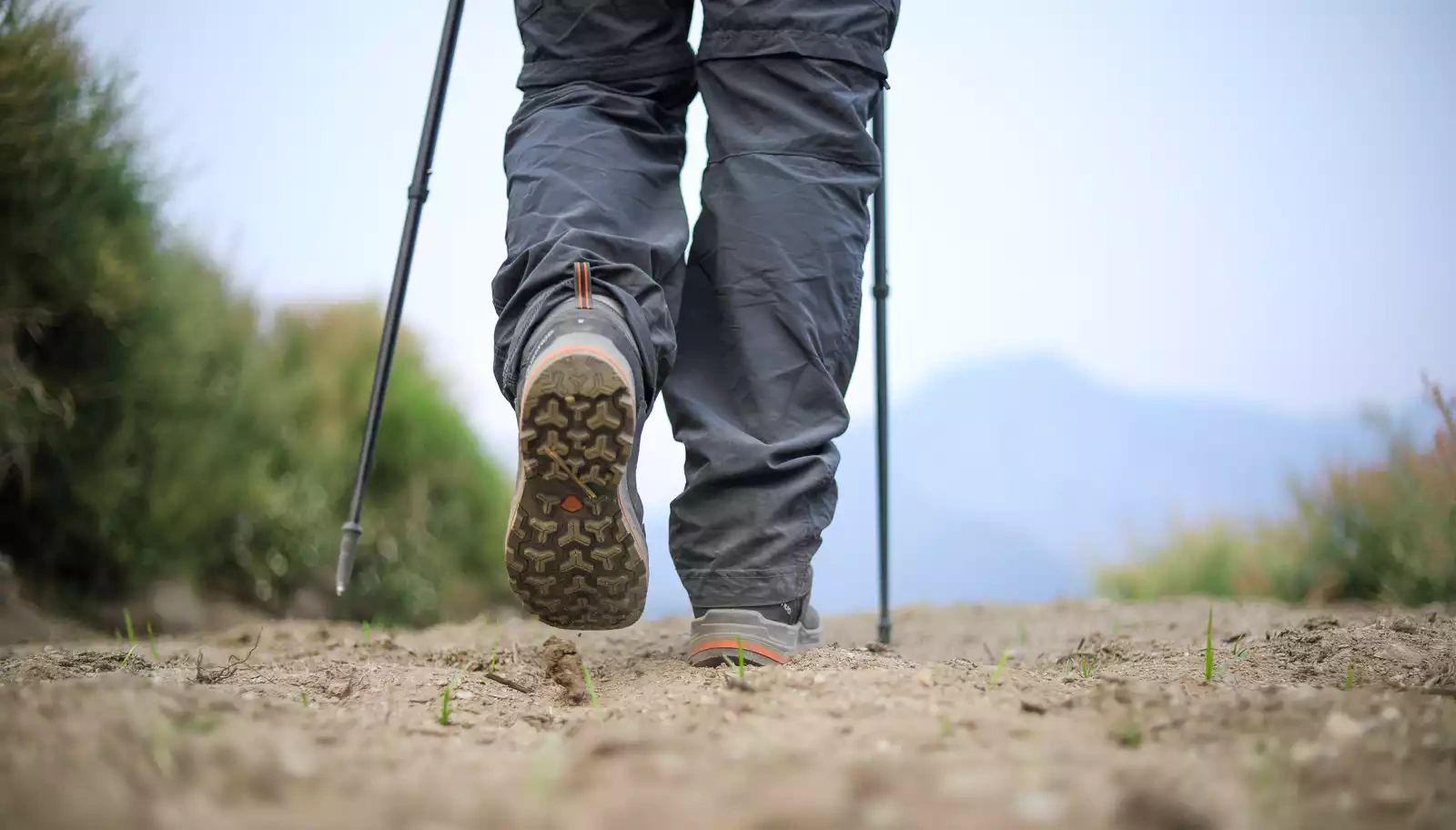
Trekking Shoes
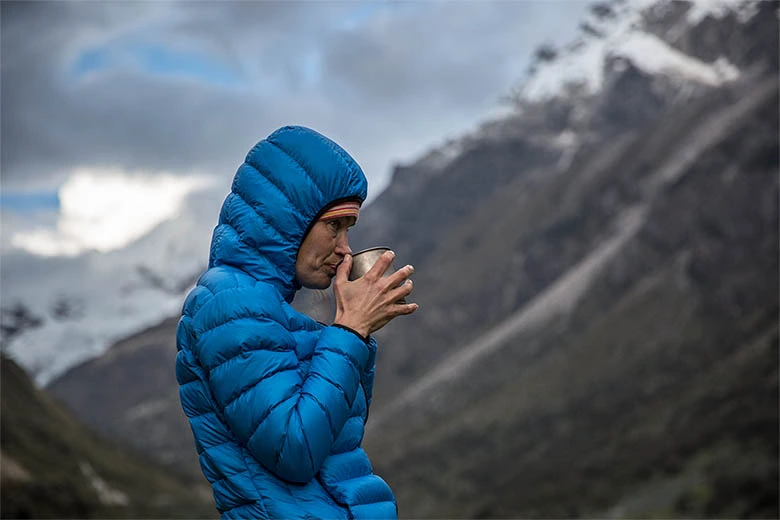
Down Jacket
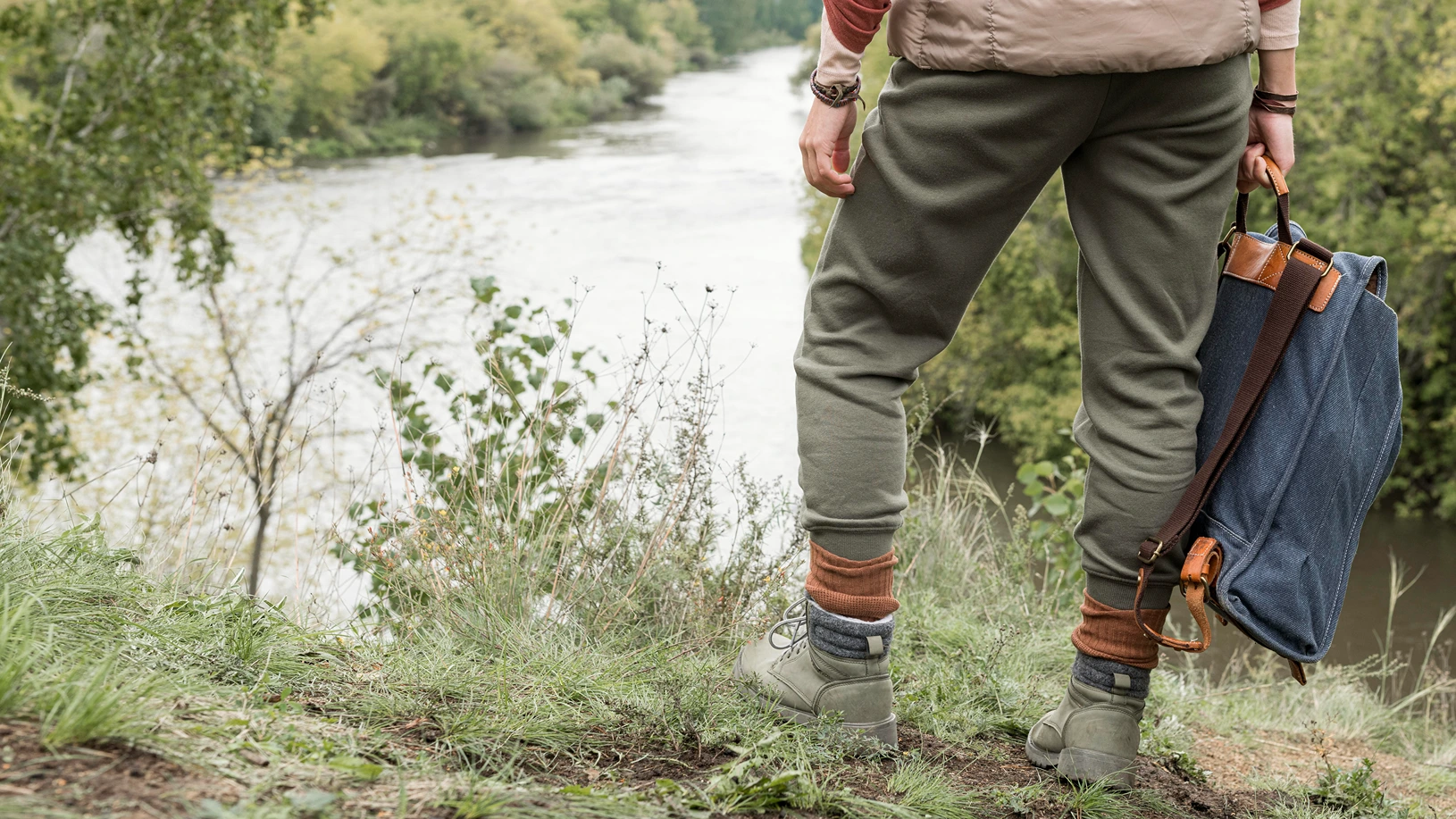
Trek pant
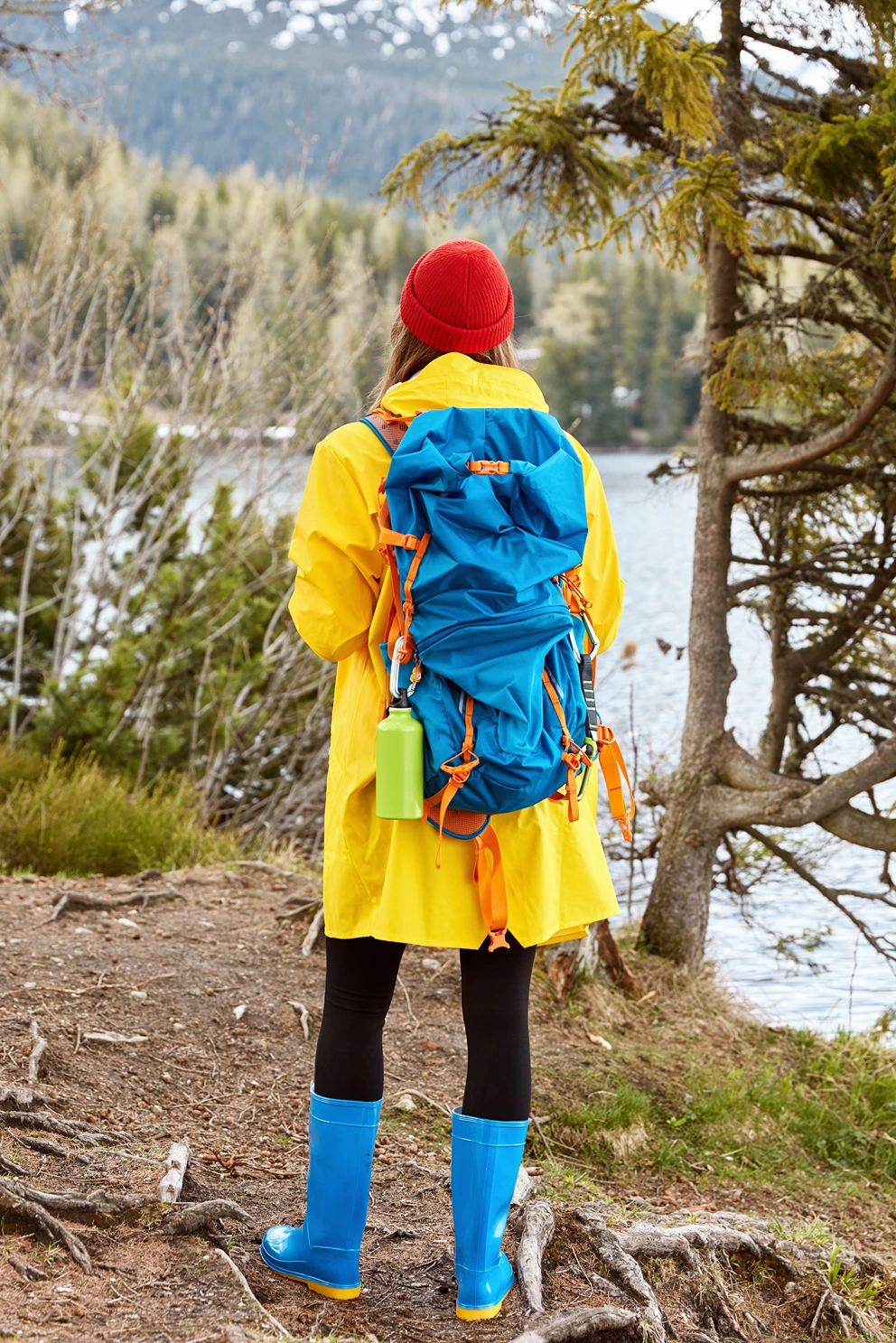
Poncho
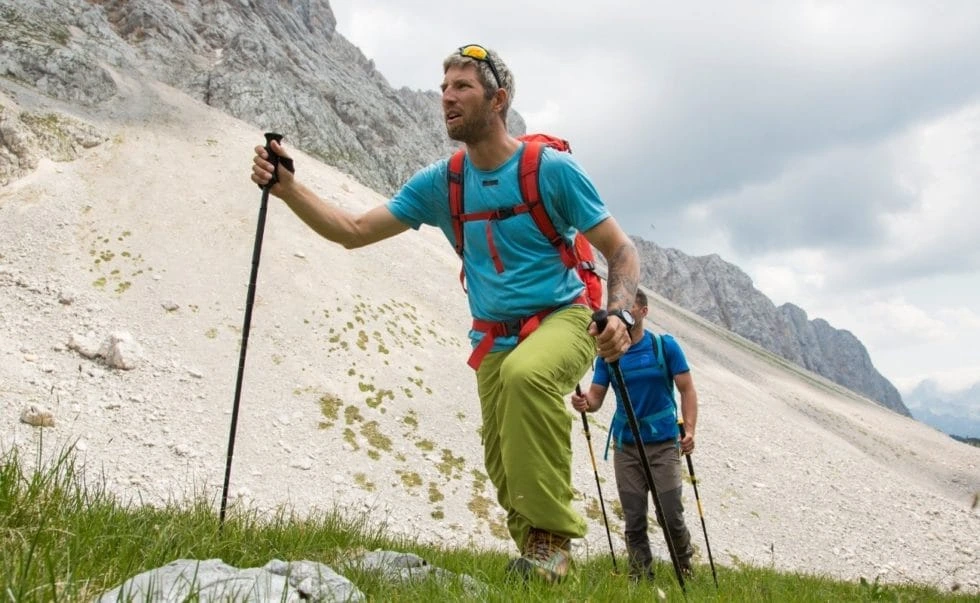
Trekking Pole
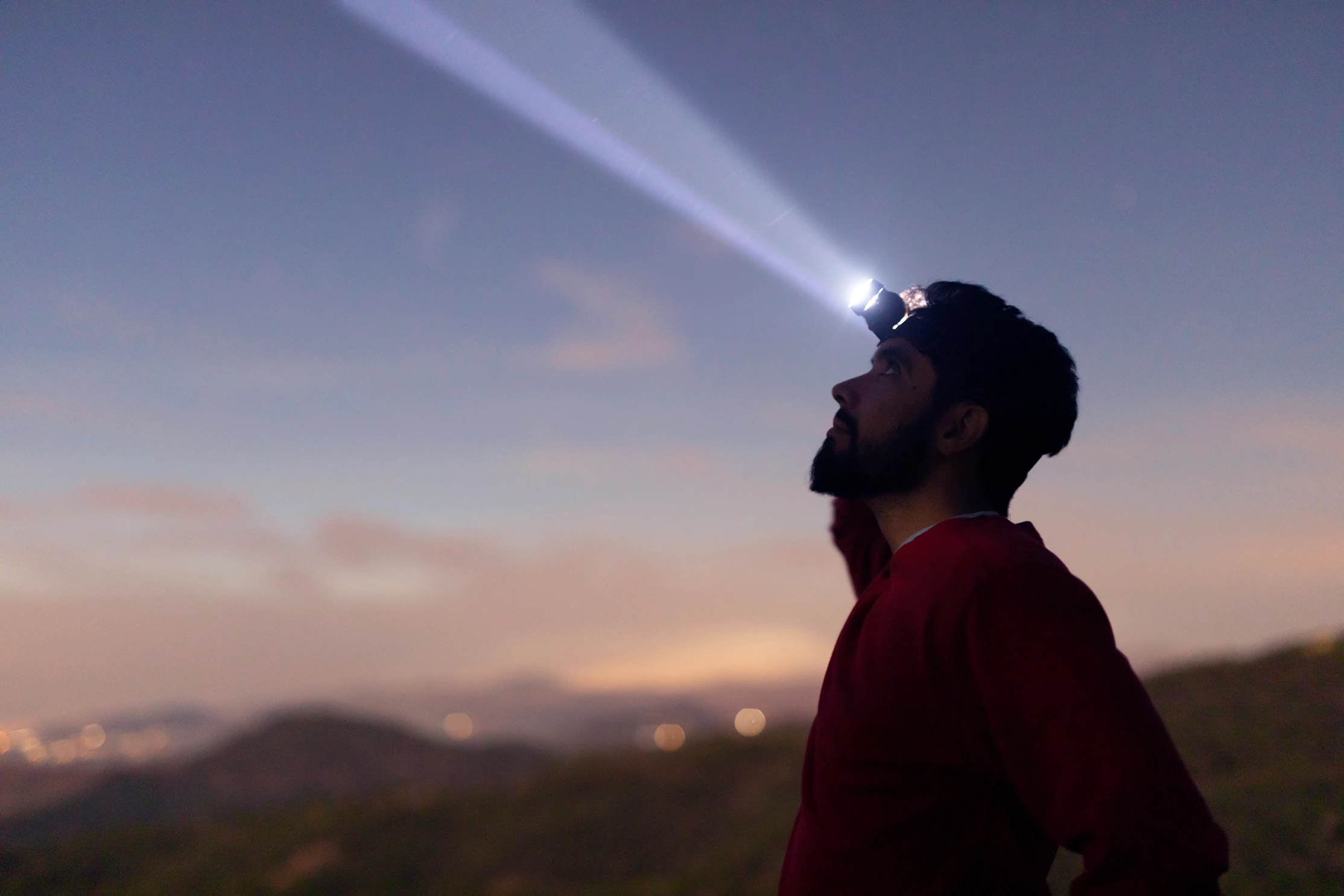
Head Torch
Photo Gallery
Booking & Refund Policy
| Cancellation Time | Refund |
|---|---|
| More than 30 days before departure | 90% refund |
| 15 to 30 days before departure | 70% refund |
| 7 to 14 days before departure | 50% refund |
| Less than 7 days before departure | No refund |
Select Your Departure
Choose your preferred batch and confirm availability before making payment.
Pay the Booking Amount
Pay 30% advance to confirm your seat. Balance should be cleared before departure.
Fill Trekker Form
Submit health, emergency contact, and fitness details shared after booking.
Receive Trek Briefing
You’ll receive meeting point, contact details, packing list, and final instructions before departure.
Frequently Asked Questions
Is Panch Kedar Trek suitable for beginners?
Fit beginners can do it, but the long route and multiple trekking sections require stamina.
What is the best time for Panch Kedar Trek?
May to June and September to October are the best months.
Which temples are covered in Panch Kedar?
Kedarnath, Madhmaheshwar, Tungnath, Rudranath, and Kalpeshwar.
Is the trek physically demanding?
Yes, it is moderate because of long walking days, steep sections, and multiple temple routes.