Kuari Pass Trek
A stunning Himalayan crossover trek through oak forests, alpine meadows, snowy ridgelines, and panoramic views of Nanda Devi, Dronagiri, and Chaukhamba peaks.
Overview & About
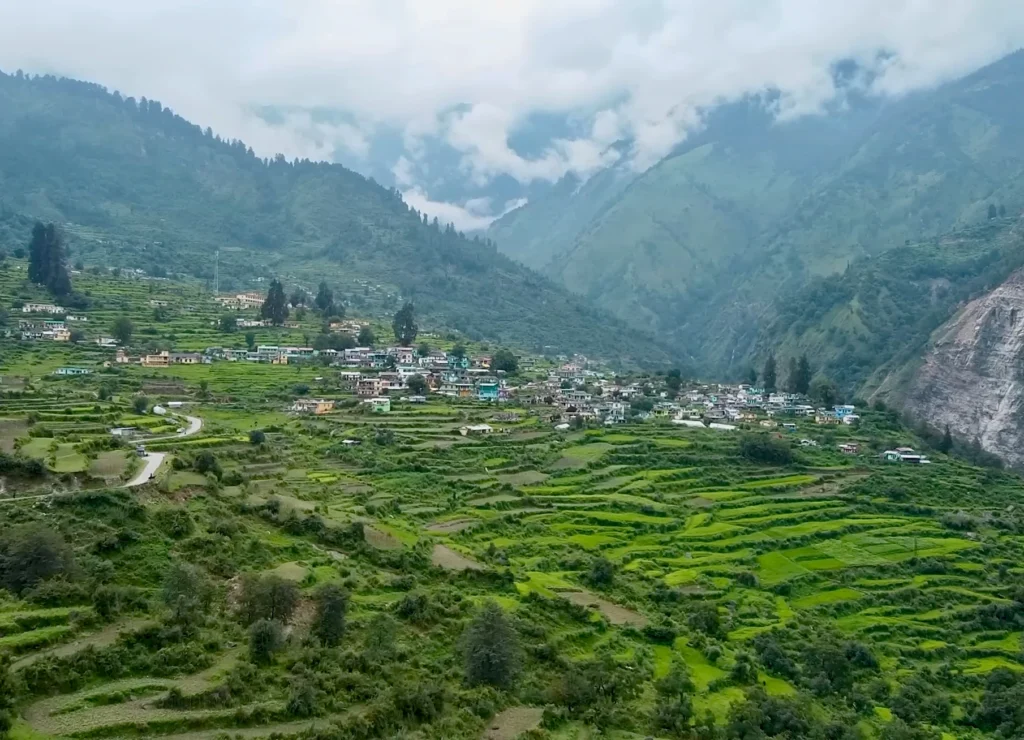
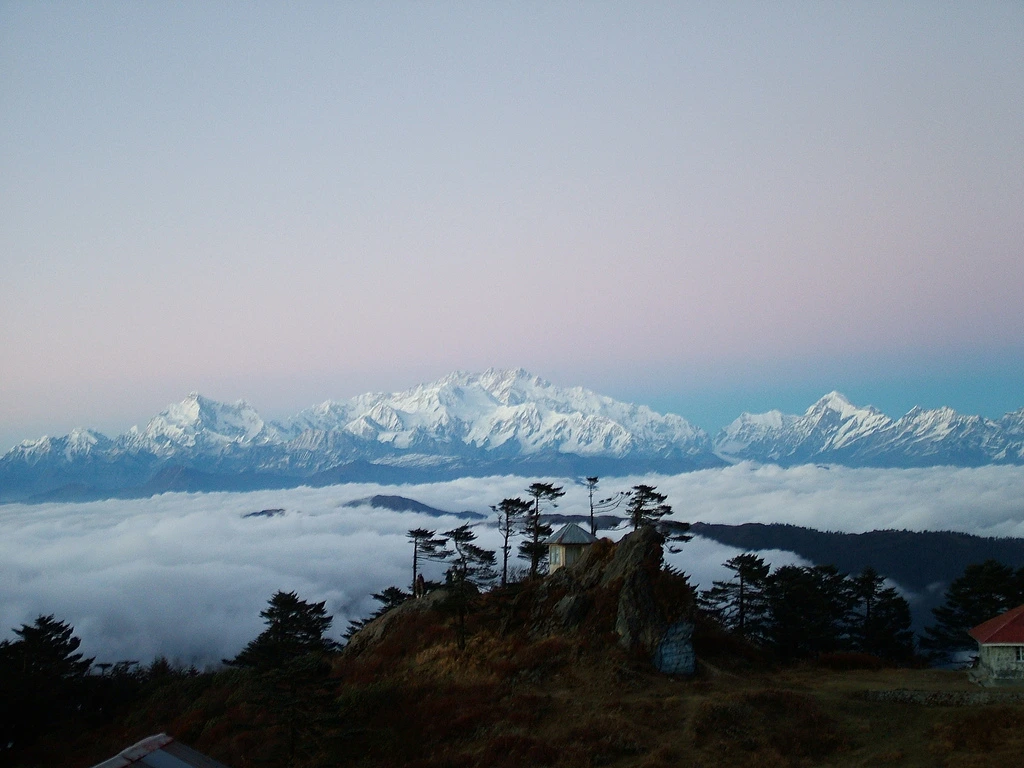
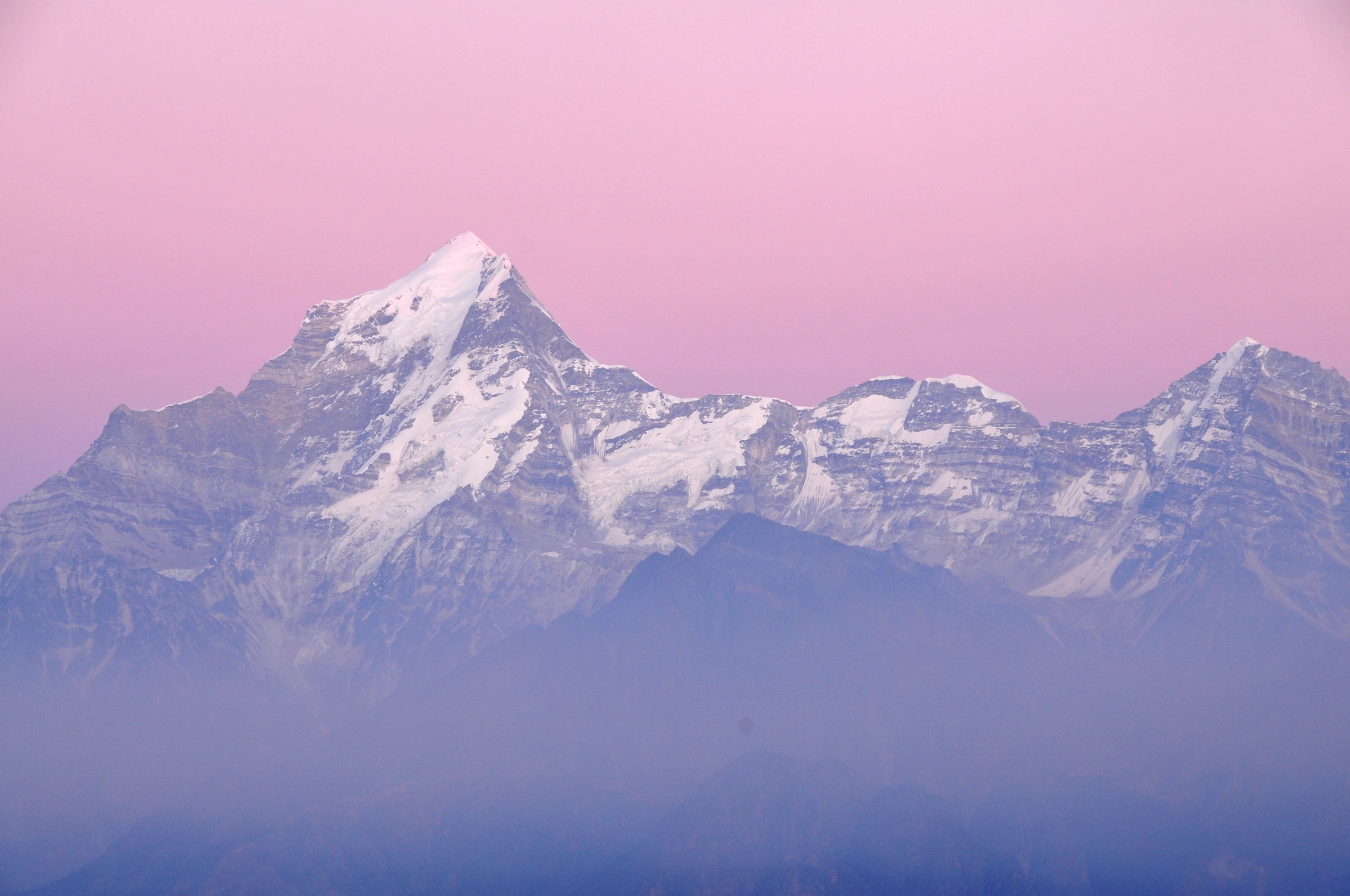
The Kuari Pass Trek is one of the most popular treks in Uttarakhand, renowned for offering a picturesque journey through the Nanda Devi Sanctuary and providing panoramic views of some of the highest peaks in the Indian Himalayas, including Nanda Devi, Trishul, Dunagiri, and Hathi Ghoda. The trek takes you through lush forests, alpine meadows, and isolated villages, and ends at the Kuari Pass, which offers mesmerizing views of snow-capped peaks.
This trek is a wonderful mix of natural beauty and moderate challenge, ideal for trekkers who want to experience the charm of the Garhwal Himalayas. The route, which passes through dense oak and deodar forests, is well-marked and can be done in a span of 5 days. It offers a perfect escape for adventure enthusiasts and nature lovers.
Highlights
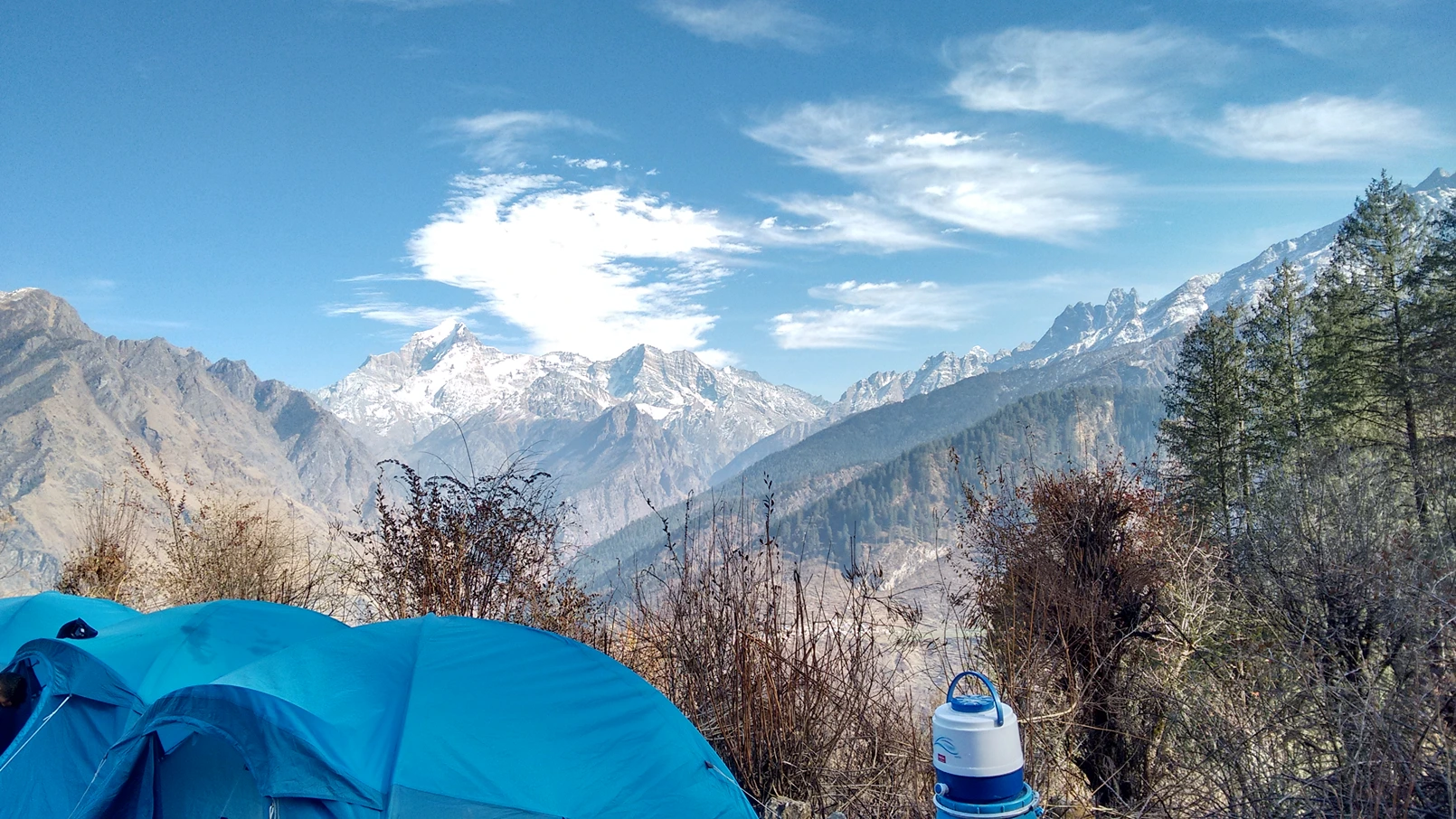
- Camping at scenic spots like Gulling Top, Auli, and Tali
- Stunning views of the Nanda Devi, Trishul, and Dunagiri peaks
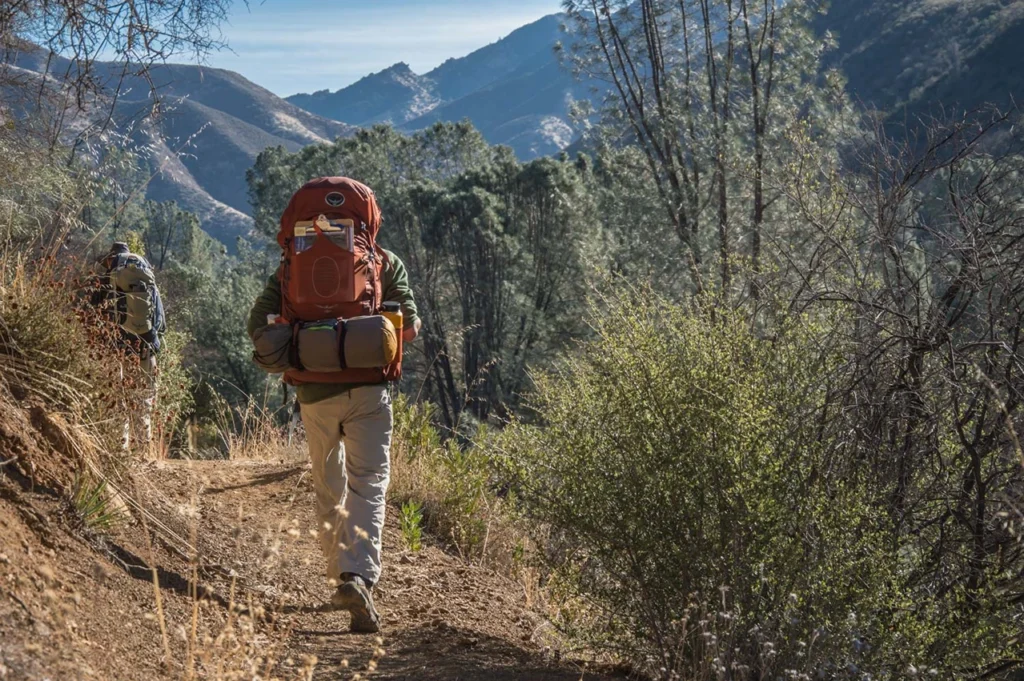
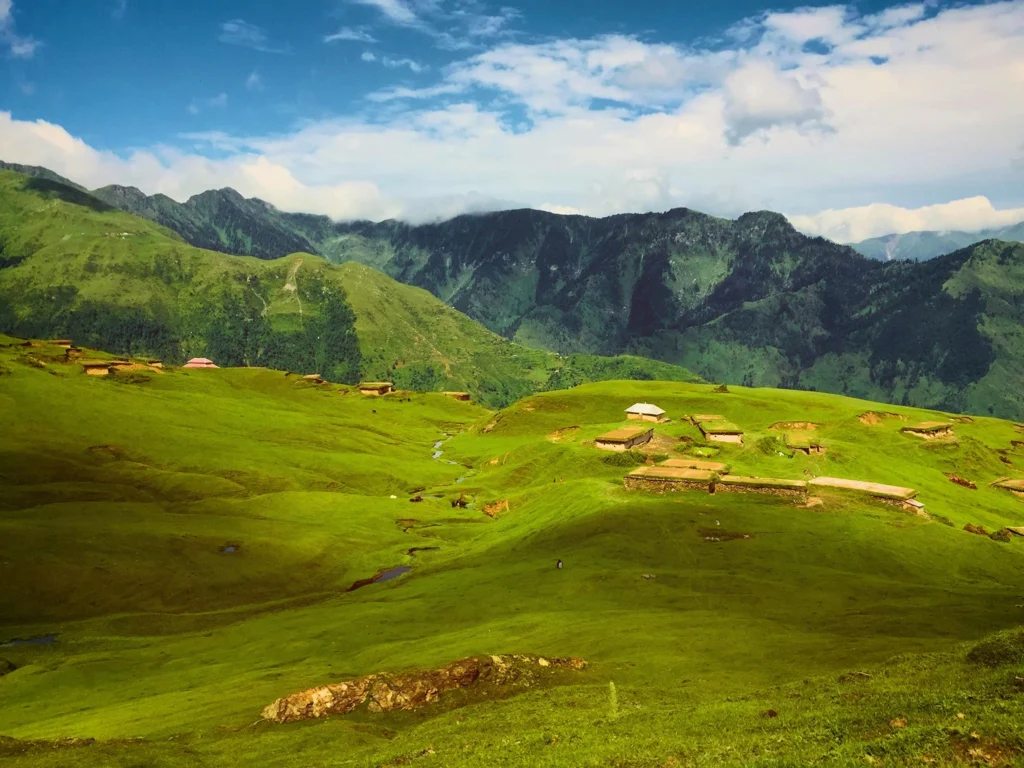
- Trekking through dense forests, alpine meadows, and traditional Garhwali villages
- Opportunity to visit the popular skiing destination Auli
- The Kuari Pass as a vantage point offering breathtaking vistas of the entire region
- Beautiful sunset and sunrise views from various high-altitude campsites
Best Time to Visit
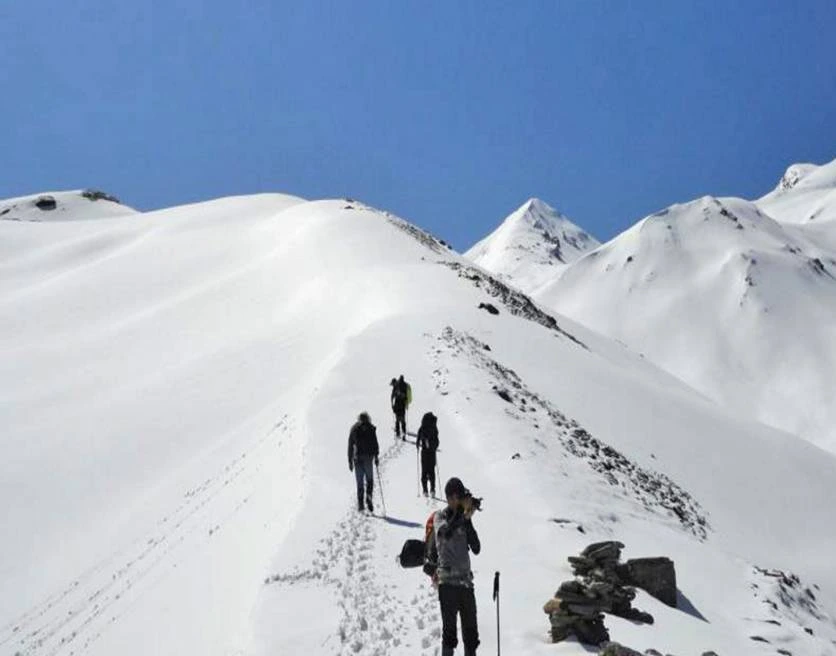
The ideal time to do the Kuari Pass Trek is from December to March and May to June. The winter months offer a snow-covered wonderland, and the summer months are ideal for trekking, as the weather is cool and clear. The monsoon season is best avoided due to slippery trails and the risk of landslides.
Difficulty Level
The Kuari Pass Trek is classified as Moderate in difficulty, making it suitable for both beginner and experienced trekkers. The trek involves gradual ascents, moderate climbs, and some rocky paths. While it doesn’t involve technical climbing, the trek does take you to a high altitude, which may cause altitude sickness if you’re not properly acclimatized.
Travel Tips
- Acclimatize properly on the trek to avoid altitude sickness.
- Carry water purification tablets or a filter to stay hydrated throughout the journey.
- Ensure your gear is lightweight but sufficient for cold weather conditions.
- Respect local cultures and the environment, ensuring minimal impact on nature.
- Follow the guidance of your Make My Hikes trek leader for a safe and enjoyable experience.
- Don’t forget your camera for capturing the spectacular views at Kuari Pass and other scenic spots.
Starting Point
Rishikesh / Haridwar — approx. 250 km to Joshimath
Ending Point
Rishikesh / Haridwar
Temperature Range
-5°C to 15°C
Total Trek Distance
33 km
Trek Highlights
Stunning views of Nanda Devi, Trishul, Dunagiri & Chaukhamba
Trek through dense oak, pine, and rhododendron forests
Scenic camps at Gulling Top, Tali, and Auli
Experience the famous Kuari Pass viewpoint
Visit Auli — one of India’s top skiing destinations
Ideal blend of adventure, nature, and Himalayan exploration
Detailed Itinerary
Begin the journey from Rishikesh and drive deep into the Garhwal Himalayas toward Joshimath and Tugasi Village. This is a long road journey through Uttarakhand’s mountain terrain before reaching the base area for the trek.
- Early departure from Rishikesh
- Drive approximately 294 km
- Travel through Himalayan roads and river valleys
- Reach Joshimath/Tugasi Village
- Meet the trekking team and prepare for the trail
- Overnight stay
The trekking section begins from Tugasi Village. Follow the ascending mountain trail toward Gulling, gradually leaving the village environment behind and entering the quieter Himalayan landscape.
- Begin the first trekking day
- Trek approximately 6 km
- Follow a steady uphill trail
- Walk through mountain and forest sections
- Reach Gulling campsite
- Rest and acclimatize for the higher trail ahead
Continue from Gulling toward Khullara. Although the trekking distance is relatively short, the increasing altitude makes a controlled and steady pace important.
- Trek approximately 5 km
- Gradually gain altitude
- Walk through scenic Himalayan terrain
- Reach Khullara at approximately 11,072 ft
- Spend the afternoon resting and acclimatizing
- Prepare for the Kuari Pass trek
This is the major trekking day of the itinerary. Start early from Khullara and climb toward Kuari Pass, the highest point of the journey. After reaching the pass and spending time enjoying the high-altitude surroundings, descend along the same route to Khullara.
- Early morning start from Khullara
- Trek toward Kuari Pass
- Negotiate the higher-altitude sections carefully
- Reach the highest point of the trek
- Enjoy expansive Himalayan views
- Descend back toward Khullara
- Overnight at Khullara campsite
Begin the final day by descending from Khullara toward Tugasi Village. After completing the trekking section, board the vehicle for the long return journey from the Joshimath region to Haridwar.
- Descend from Khullara
- Reach Tugasi Village
- Complete the trekking section
- Drive from Joshimath/Tugasi toward Haridwar
- Travel approximately 294 km by road
- Reach Haridwar and conclude the Kuari Pass Trek
Inclusions & Exclusions
What's Included
- Accommodation during the trek
- Vegetarian meals during trekking days
- Professional trek leader / guide
- Camping equipment including tents, sleeping bags and mattresses
- Required forest permits and entry fees
- First-aid and basic safety equipment
- Transportation as per the package itinerary
- Common luggage support, if included in package
What's Excluded
- Meals during road journeys unless specifically mentioned
- Personal trekking gear and clothing
- Personal porter / mule charges
- Travel or medical insurance
- Personal expenses
- Emergency evacuation expenses
- Any expenses caused by weather, roadblocks or circumstances beyond the operator's control
- Anything not specifically mentioned under Inclusions
Things to Carry
Gear on Rent
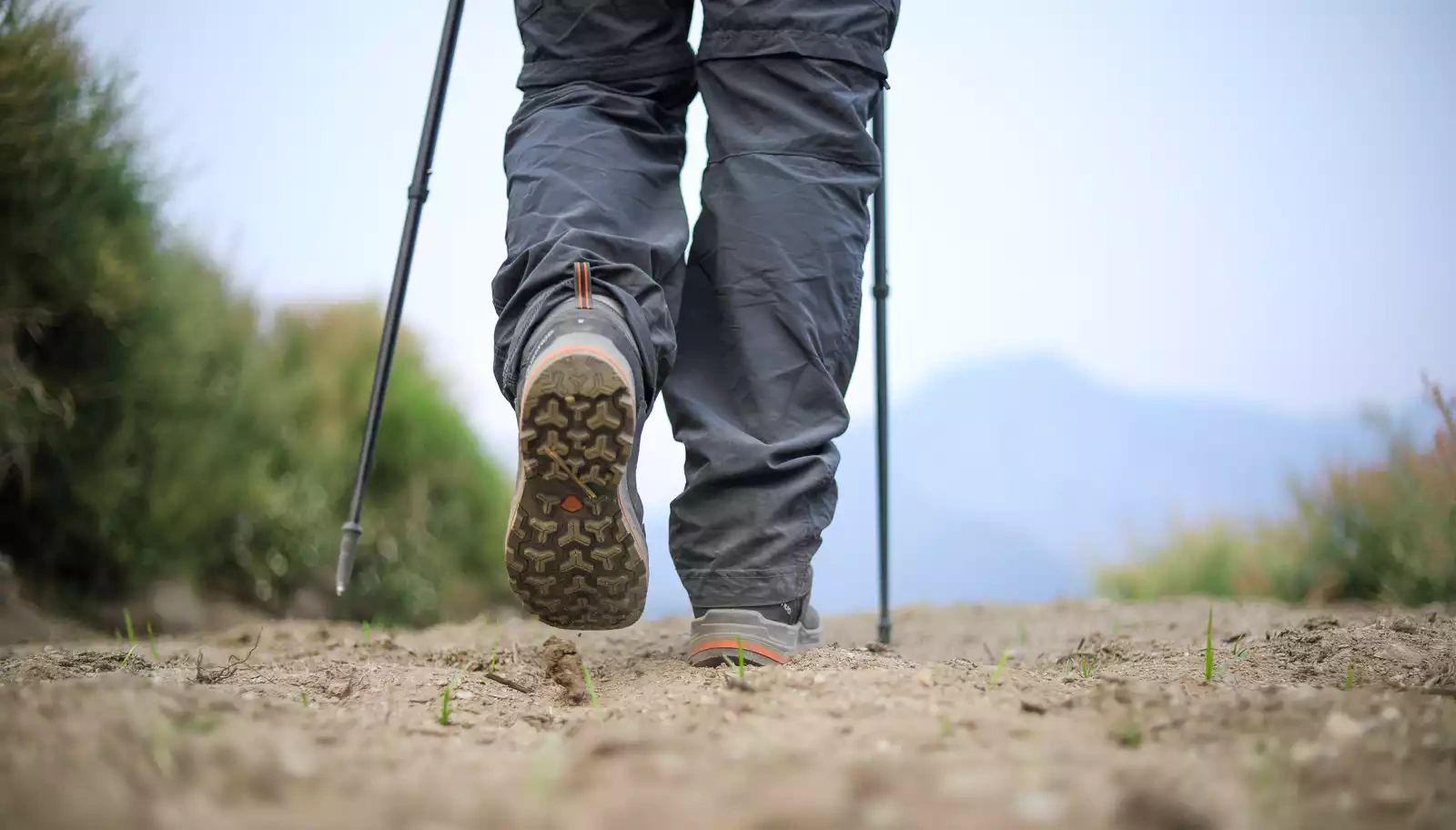
Trekking Shoes
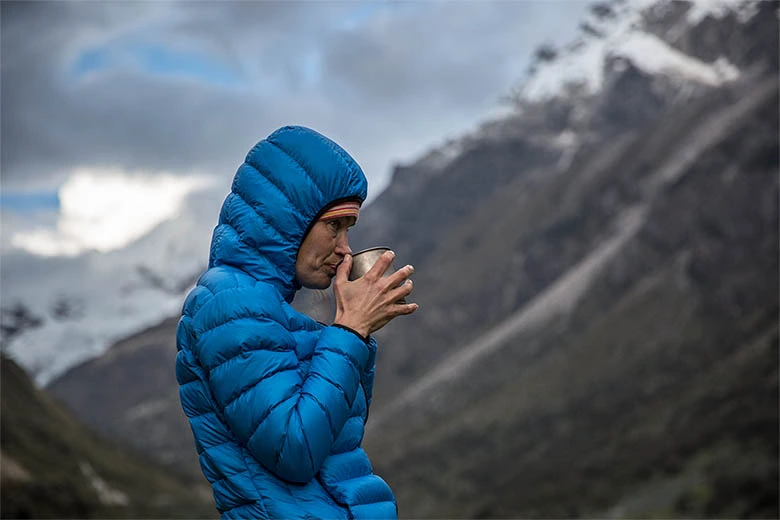
Down Jacket
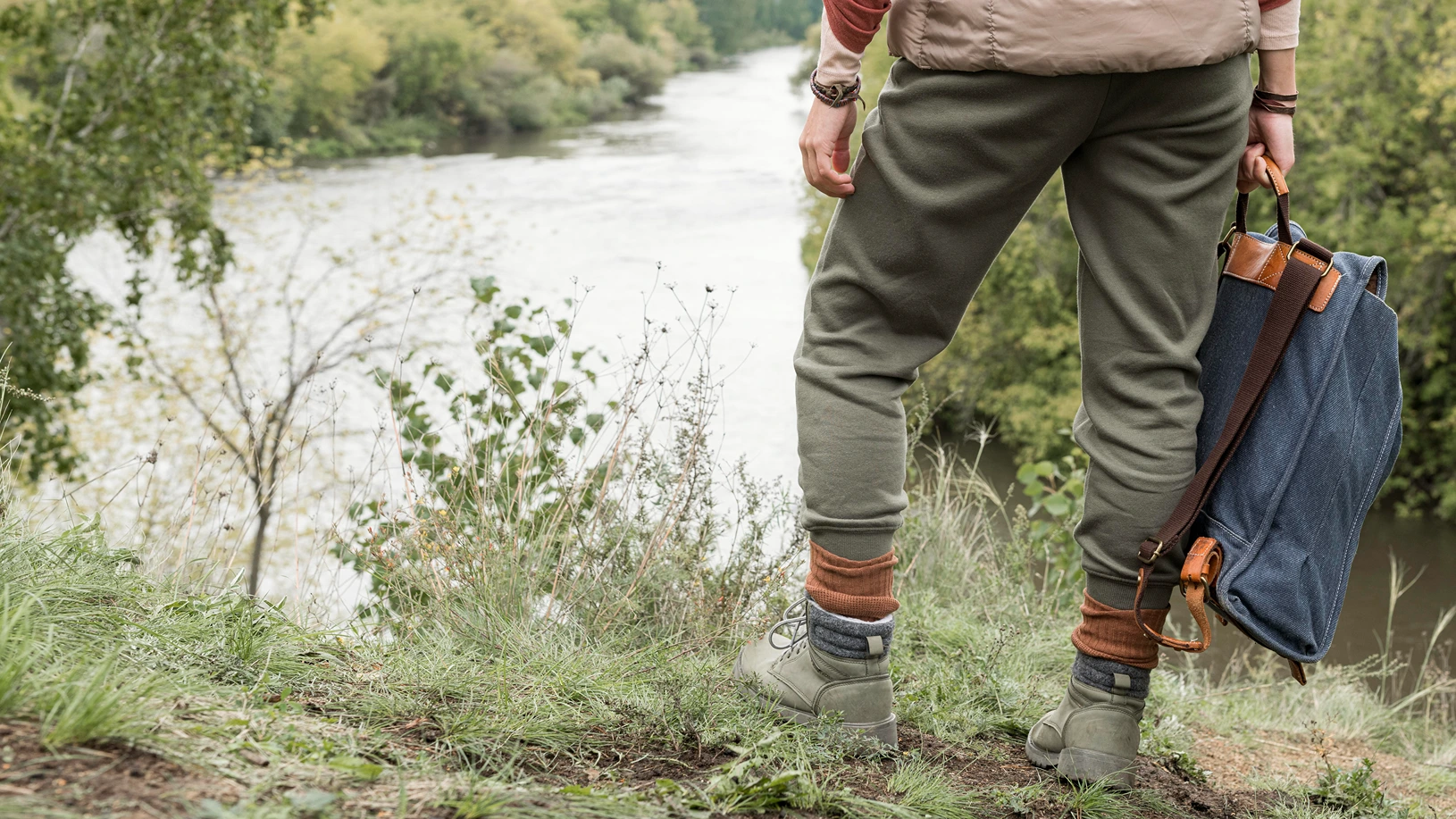
Trek pant
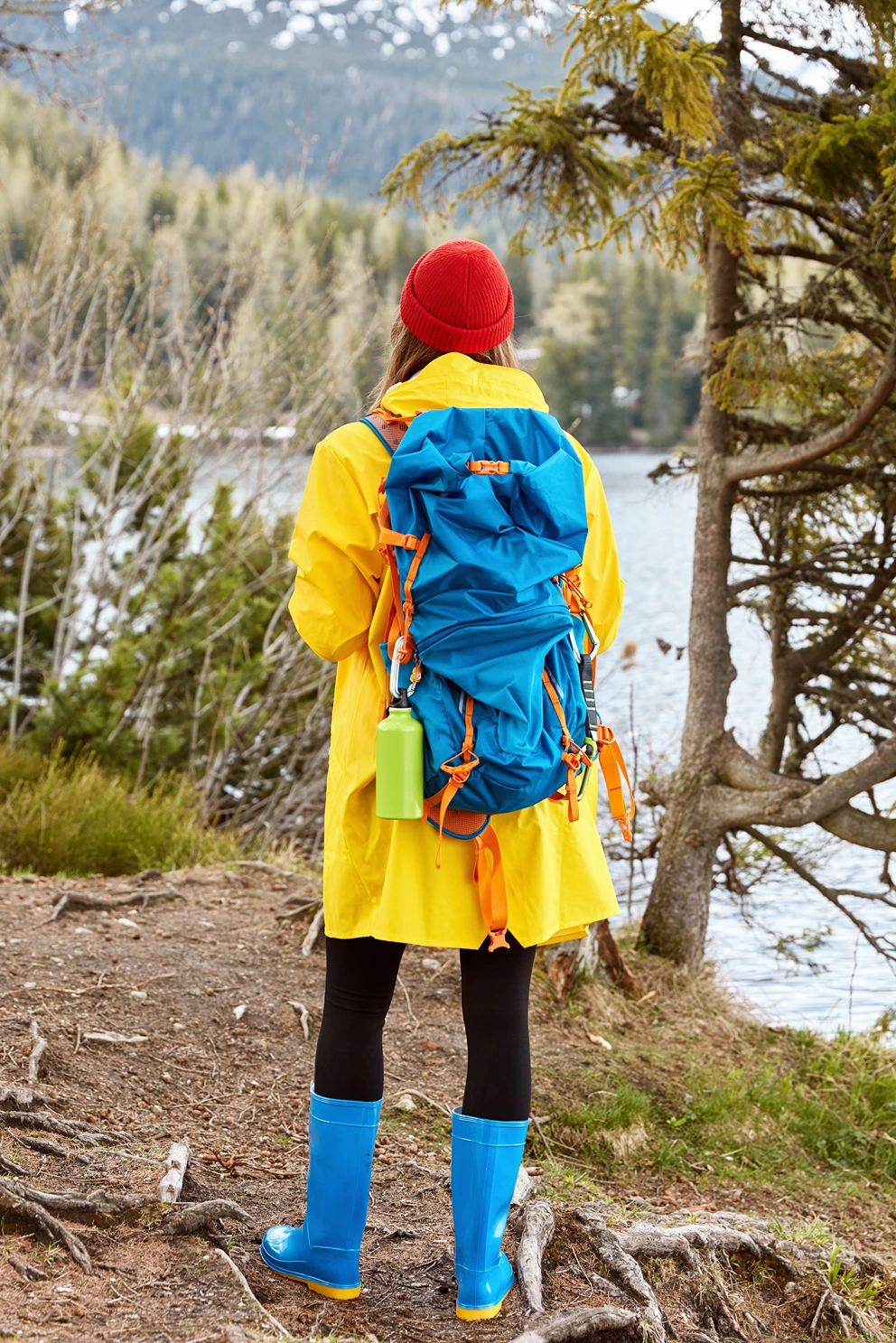
Poncho
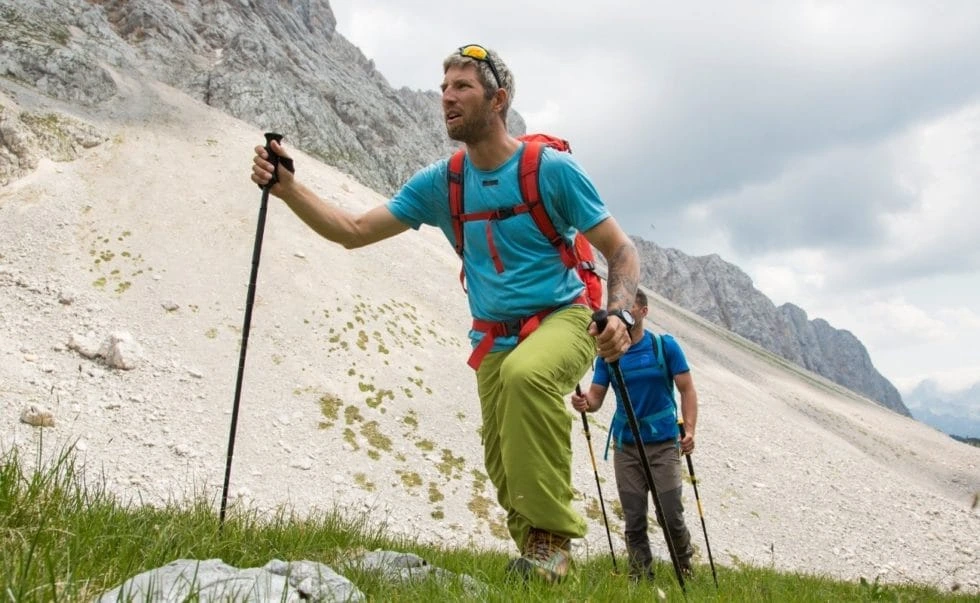
Trekking Pole
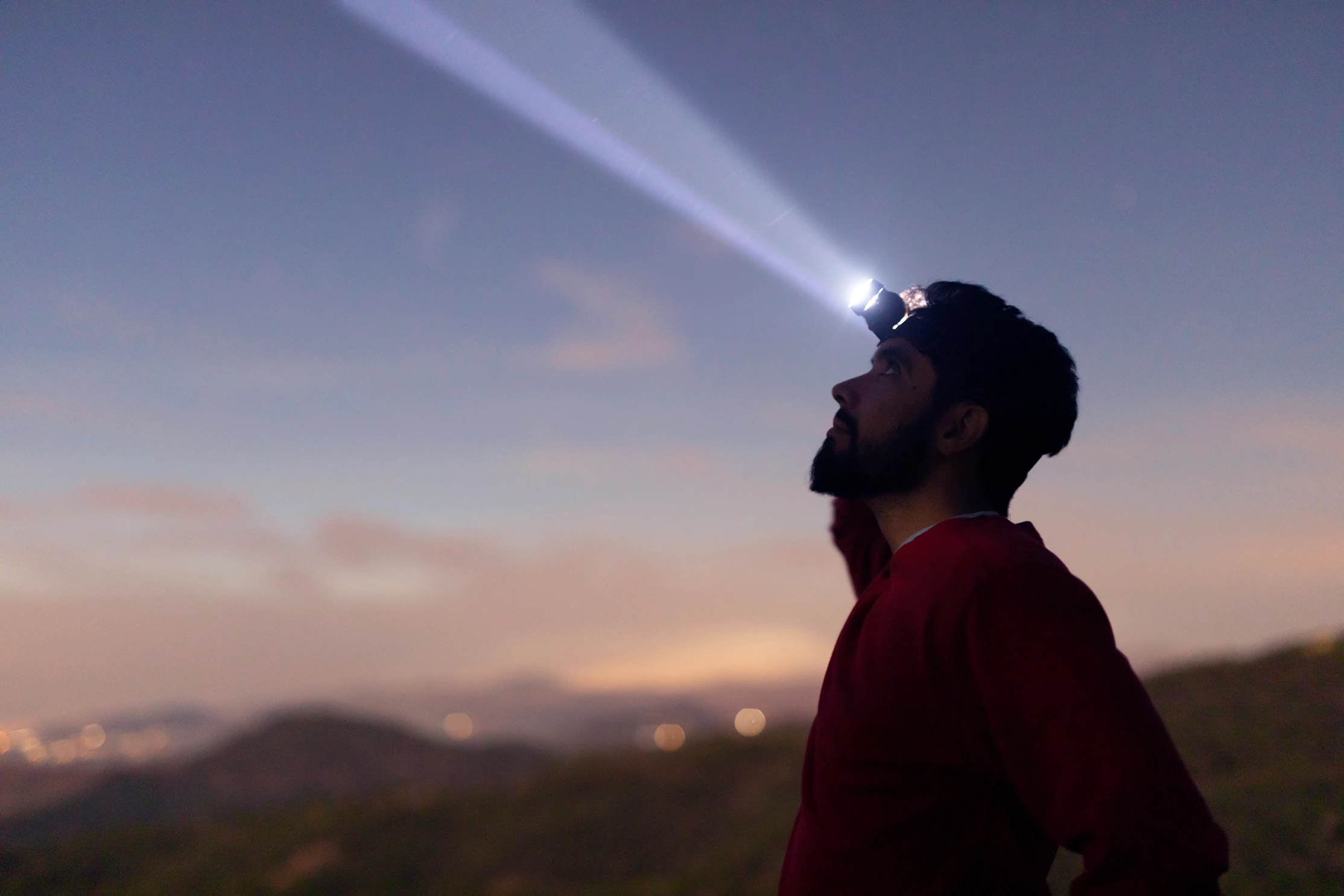
Head Torch
Photo Gallery

Booking & Refund Policy
| Cancellation Time | Refund |
|---|---|
| More than 30 days before departure | 90% refund |
| 15 to 30 days before departure | 70% refund |
| 7 to 14 days before departure | 50% refund |
| Less than 7 days before departure | No refund |
Select Your Departure
Choose your preferred batch and confirm availability before making payment.
Pay the Booking Amount
Pay 30% advance to confirm your seat. Balance should be cleared before departure.
Fill Trekker Form
Submit health, emergency contact, and fitness details shared after booking.
Receive Trek Briefing
You’ll receive meeting point, contact details, packing list, and final instructions before departure.
Frequently Asked Questions
Is Kuari Pass Trek suitable for beginners?
Yes, Kuari Pass is considered one of the best beginner-friendly Himalayan treks with moderate difficulty.
What is the best time to do Kuari Pass Trek?
December to March for snow trekking and April to June for green meadows and clear mountain views.
Will there be snow on the trek?
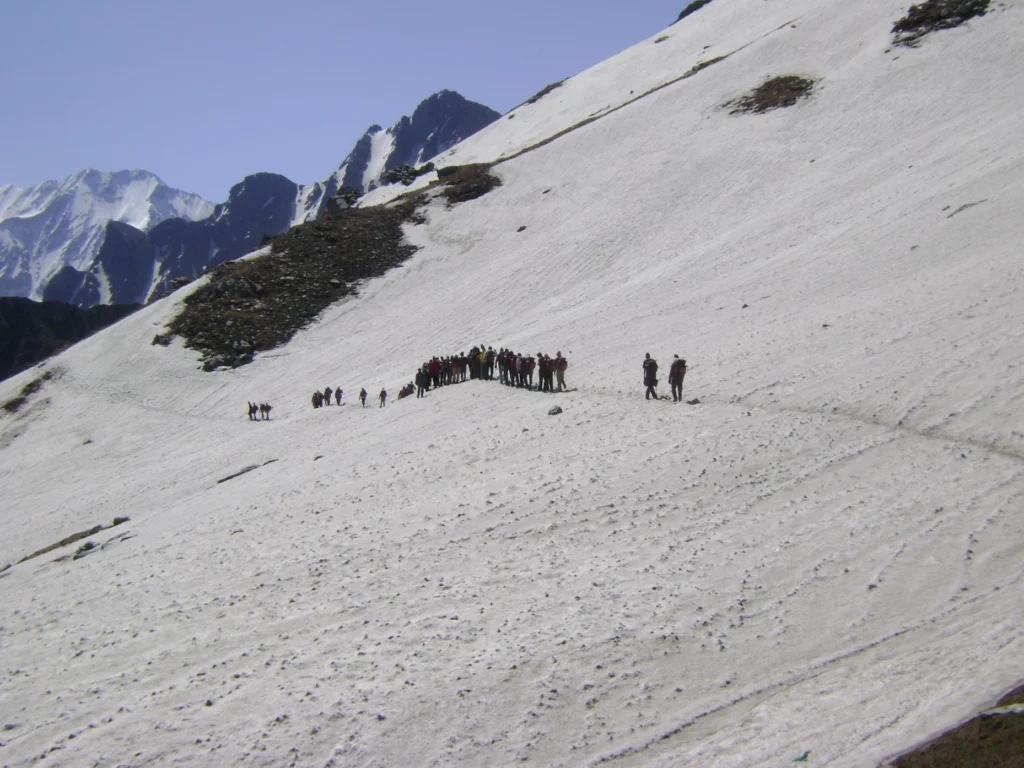
Yes, winter departures usually include heavy snow sections near Khullara and Kuari Pass.
What are the major peaks visible from Kuari Pass?
Nanda Devi, Chaukhamba, Dronagiri, Kamet, Hathi Ghoda, and Trishul are clearly visible.
Is altitude sickness common on this trek?
The altitude is moderate, but proper hydration and acclimatization are still important.